NDIS Life Skills Development: Building Independence at Home and in the Community
ndis life skills development helps participants build practical skills for daily living, confidence and independence. It is not about doing everything alone. Instead, it is about learning the right skills with the right support.
For many NDIS participants, daily routines can feel easier with structure, repetition and encouragement. In my experience, the best outcomes happen when support is practical, respectful and connected to real life. That means building skills at home, in the community and during normal weekly activities.
What Is NDIS Life Skills Development?
ndis life skills development refers to support that helps a person learn, practise and improve everyday skills. These skills may include cooking, cleaning, personal routines, budgeting, communication, travel, decision-making and community participation.
The main goal is independence. However, independence does not mean removing support too quickly. Instead, it means helping the participant build confidence at a safe and realistic pace. For some people, that may involve learning how to prepare a simple meal. For others, it may mean managing appointments or using public transport.
Life skills support under the NDIS should be person-centred. The support must match the participant’s goals, needs and current capacity. Therefore, no two plans should look exactly the same. A good support worker will understand the person’s routine, preferences and barriers before creating a practical approach.
When I analyse life skills support, I look for one important thing first. The support must teach the person, not replace the person. If a support worker does everything without involving the participant, the opportunity to build skills is lost.
This is where life skills support ndis can make a meaningful difference. With the right support, participants can practise tasks repeatedly until they feel more confident. Also, support can be adjusted as the participant improves.
Why life skills are different from general daily assistance
Daily assistance often helps a person complete a task. Life skills development focuses on learning the task over time. Both supports can be valuable. However, the intention is different.
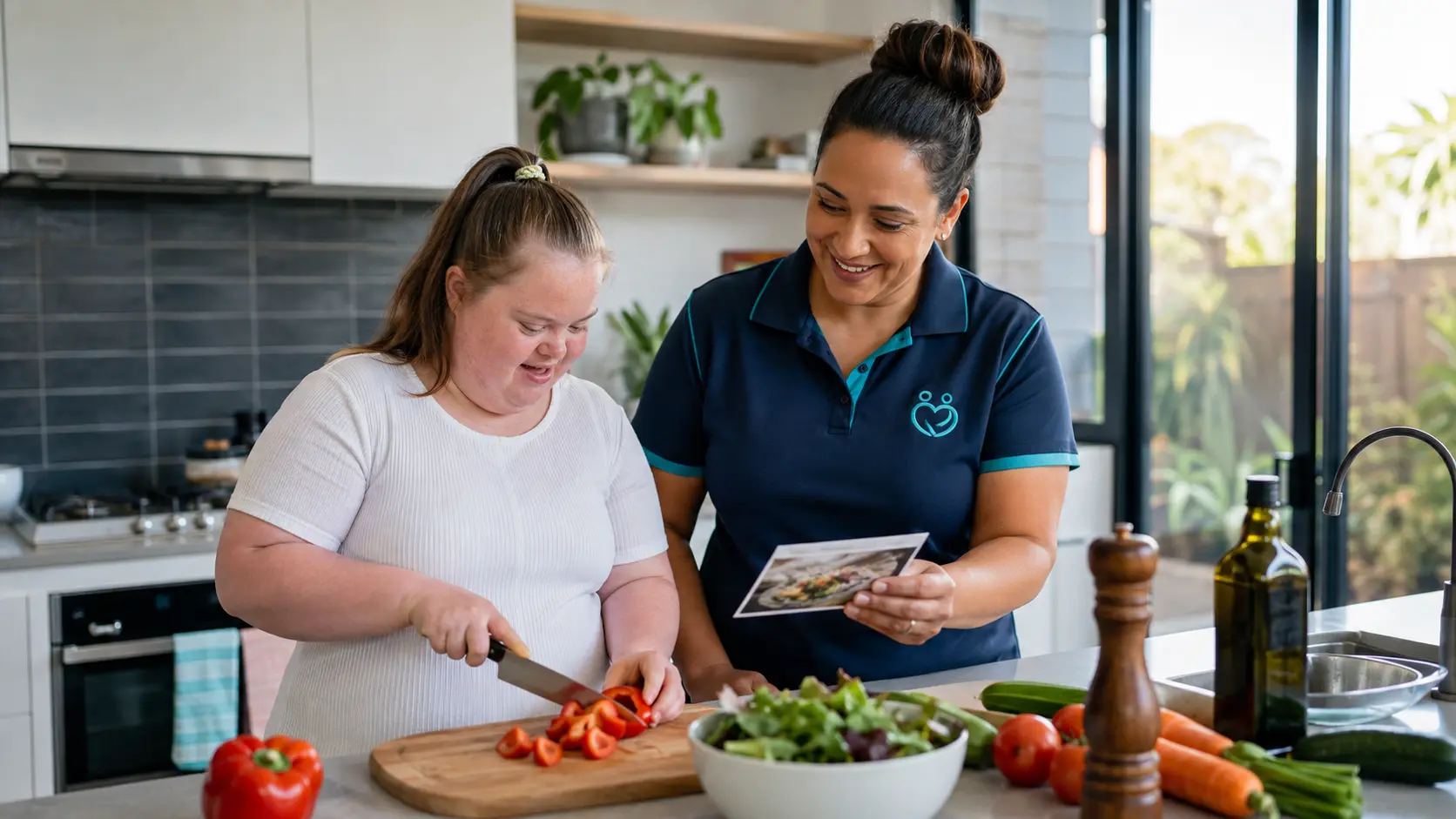
For example, a support worker may help with meal preparation. Under a life skills approach, the worker may also teach planning, shopping, safe food handling and simple cooking steps. As a result, the participant gains more control over the routine.
How NDIS Life Skills Development Builds Independence at Home
ndis life skills development is especially useful at home because home is where many daily routines happen. Participants can practise skills in a familiar environment. Therefore, support often feels more natural and less overwhelming.
At home, life skills may include making the bed, doing laundry, preparing food, cleaning shared spaces, organising belongings and following a morning routine. These tasks may sound simple. However, they can be difficult when a person experiences anxiety, cognitive challenges, psychosocial disability, physical limitations or low confidence.
In my experience, progress usually comes from breaking tasks into smaller steps. A participant may not be ready to cook a full meal alone. However, they may start by choosing ingredients, washing vegetables or setting up the kitchen safely. Over time, those small steps can become a complete routine.
Good support also uses repetition. A skill rarely improves after one attempt. Therefore, support workers should practise the same routine consistently. They should also celebrate progress without creating pressure.
For participants who need support at home, Yirra Care’s NDIS in-home support in Brisbane can help connect daily living assistance with skill-building goals. This is important because practical learning often happens during ordinary moments.
►Contact Yirra Care About Life Skills Support
Examples of home-based life skills
Home-based life skills can include personal organisation, hygiene routines, meal planning, laundry and safe cleaning habits. They may also include remembering appointments, managing household items and preparing for the week.
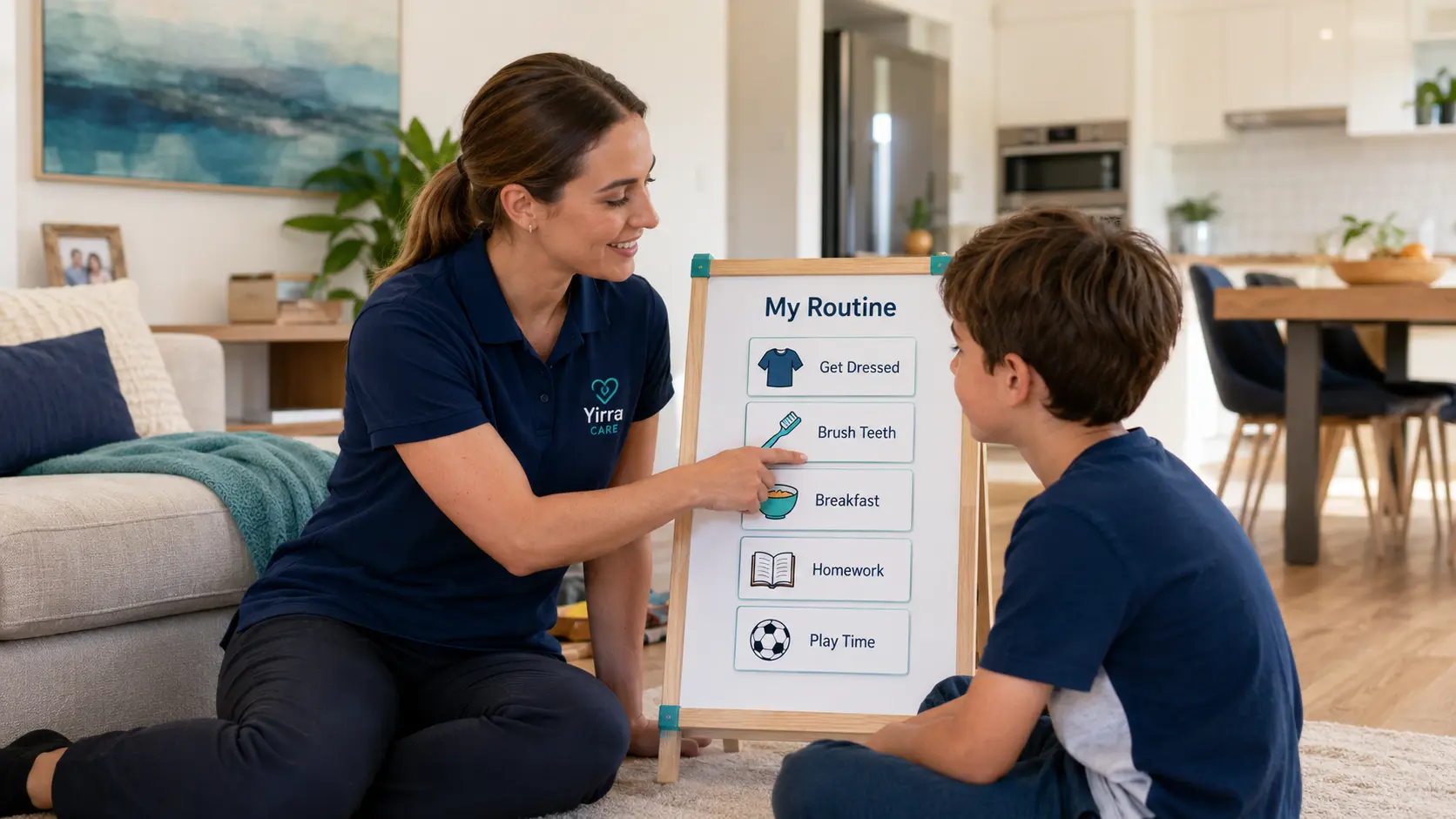
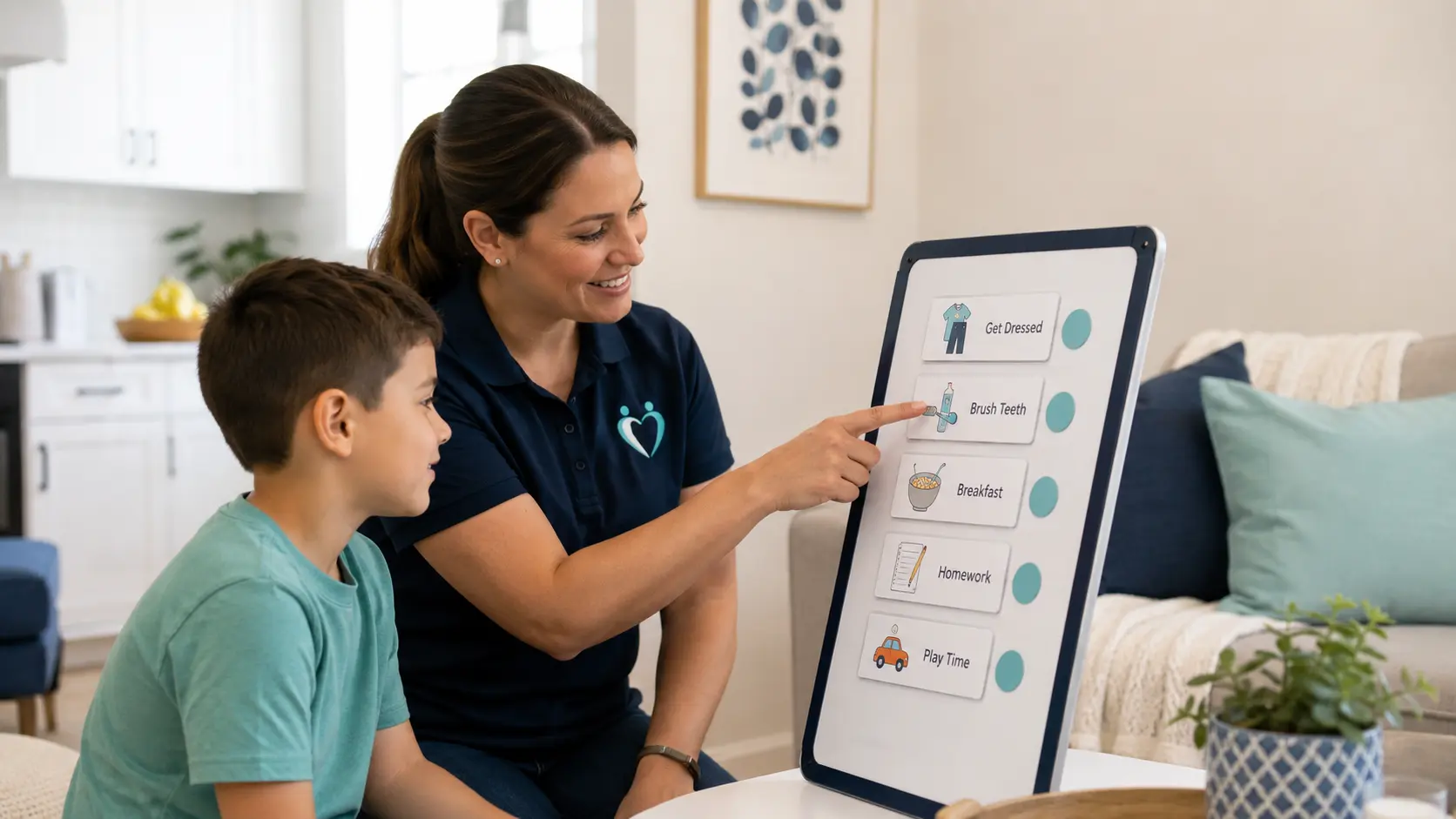
Some participants may need visual prompts or checklists. Others may respond better to verbal guidance. Because of this, support should be flexible and personalised.
Building confidence through repeated practice
Confidence grows when a person feels supported, not judged. A support worker should guide the participant through the task and step back when appropriate. Then, the participant can try more of the task independently.
Lo que he visto es clear. Small wins matter. When a participant completes one step successfully, they are more likely to try the next one.
Life Skills Support NDIS Can Include in the Community
life skills support ndis does not only happen inside the home. Community-based skills are also important for independence, safety and social connection. Many participants want to take part in normal community life, but they may need support to build confidence first.
Community life skills may include using public transport, ordering food, making purchases, attending appointments, joining activities and communicating with service staff. These skills can help a person feel more comfortable outside the home. Also, they can reduce isolation.
For some participants, the first step may be a short supported outing. For others, it may involve planning a full community activity. The pace should depend on the participant’s goals and comfort level.
When I support planning around community access, I always think about preparation. A successful outing often starts before the person leaves home. The participant may need to know where they are going, how they will get there, what to bring and what to do if plans change.
Community-based life skills also support choice. A person may learn how to choose an activity, manage a small budget or ask for help in public. These moments are practical, but they are also empowering.
Yirra Care’s NDIS life skills development in Brisbane can support participants who want to build practical skills in familiar local settings.
►Discuss NDIS Community Support Options
Travel, shopping and appointments
Travel training can help participants understand routes, timing, safety and communication. Shopping support can teach budgeting, choosing items and paying at the checkout. Appointment support may involve planning questions, arriving on time and understanding next steps.
These activities should be guided, not rushed. As a result, the participant can learn through real experiences.
Social confidence and communication
Some participants need support with conversation, boundaries and confidence in social settings. This may include greeting people, asking questions or joining group activities.
However, support should always respect the participant’s personality. Not everyone wants the same social life, and that is completely valid.
What Skills Can Be Developed Through NDIS Support?
ndis life skills development can cover a wide range of everyday skills. The right skills depend on the participant’s NDIS goals, current needs and personal priorities. Therefore, support should always start with the person, not a generic list.
Common skill areas include daily routines, home organisation, cooking, personal care, budgeting, social communication, travel and community participation. In addition, some participants may work on emotional regulation, problem-solving and decision-making.
A practical plan should focus on skills that matter in the participant’s real life. For example, learning to cook is useful if the person wants more control over meals. Learning public transport may be useful if they want to attend activities independently. Likewise, budgeting may help if the person wants to manage spending with more confidence.
In my experience, the best life skills goals are specific. “Become independent” is too broad. A stronger goal might be “prepare a simple lunch twice per week with support” or “travel to a local activity with reduced prompting.” Clear goals make progress easier to measure.
Support workers can also help participants develop routines. Routines reduce stress because they make the day more predictable. However, routines should not be rigid. They should still allow choice and flexibility.
Daily living and household routines
Daily living skills may include dressing, grooming, cleaning, laundry, meal preparation and organising personal items. These skills can improve comfort, safety and dignity at home.
Support should be respectful at all times. A participant should never feel embarrassed for needing help with a basic task.
Budgeting, planning and decision-making
Budgeting skills may include understanding prices, comparing options and managing small purchases. Planning skills may include preparing for the week, packing a bag or remembering appointments.
Decision-making is also important. Participants should be encouraged to make choices whenever possible. Therefore, support workers should offer options and explain them clearly.
How to Know If Life Skills Support Is Right for an NDIS Participant
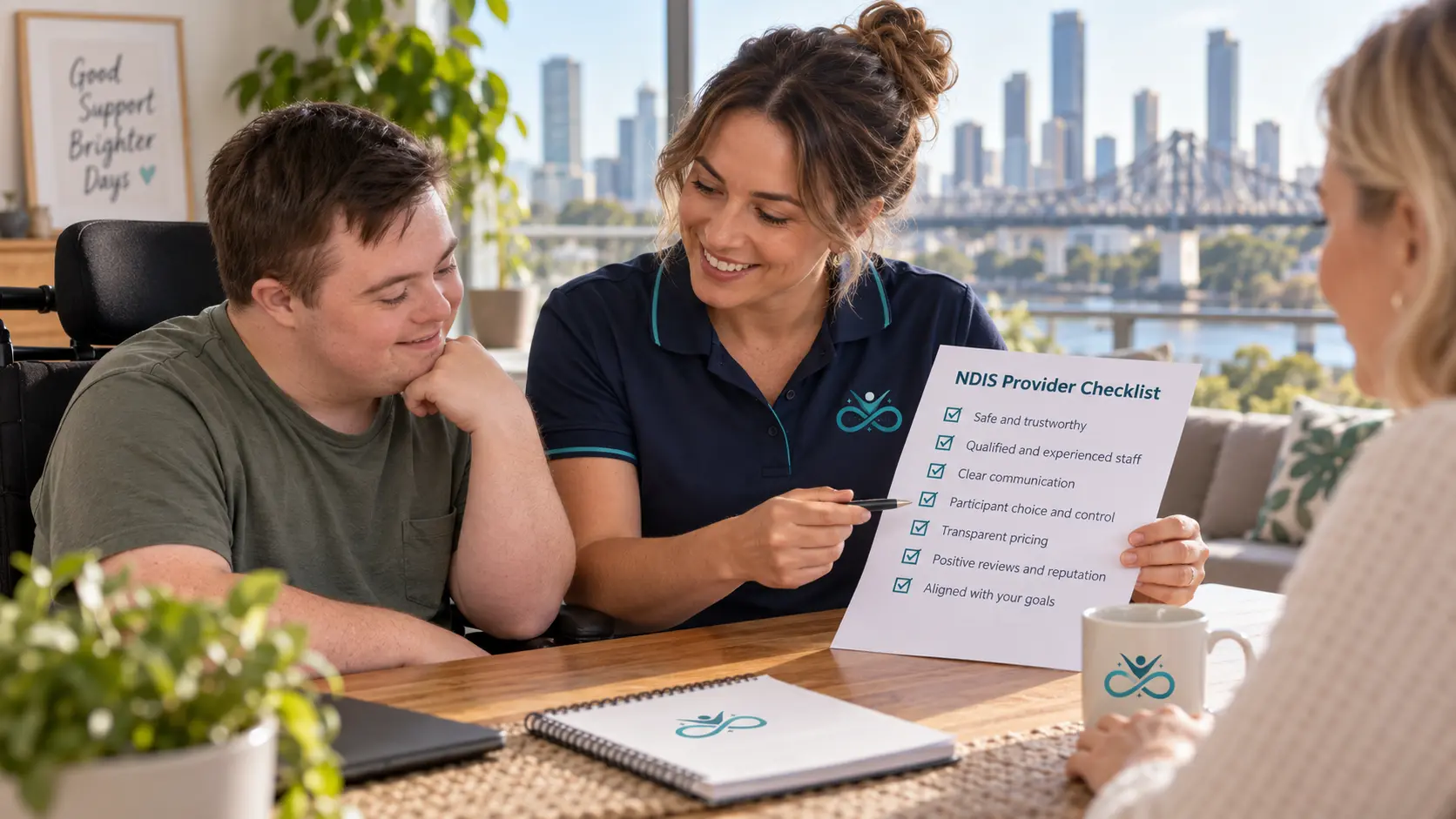
life skills support ndis may be suitable when a participant wants to build independence, confidence or daily living capacity. It may also help when a person needs structured support to practise tasks safely.
A participant may benefit from life skills support if they struggle with routines, cooking, cleaning, transport, communication or community access. However, the support should connect to their NDIS goals. It should also be reasonable and necessary for their disability-related needs.
When I assess whether life skills support may help, I look at the gap between what the person wants and what currently feels difficult. For example, a participant may want to attend a local program but feel anxious using transport. In that case, travel practice and community access support may be useful.
Families and support coordinators can also look for patterns. Does the participant avoid tasks because they feel overwhelmed? Do they need reminders, prompting or step-by-step guidance? Are they interested in doing more things independently? These signs may indicate that life skills development could help.
It is also important to set realistic expectations. Progress may be gradual. Some participants may need long-term support. Others may improve quickly once routines are clear. Either way, success should be measured by meaningful progress, not perfection.
Signs a participant may benefit
A participant may benefit if they want more independence but need support to get started. They may also benefit if daily tasks cause stress, confusion or avoidance.
Another sign is dependence on others for tasks they could learn with support. In that situation, guided practice can create better long-term outcomes.
Why the support must match the participant’s pace
Moving too fast can reduce confidence. Moving too slowly can limit progress. Therefore, support must be paced carefully.
The participant should feel challenged but not overwhelmed. That balance is where strong support makes the biggest difference.
How Yirra Care Supports Life Skills Development in Brisbane
At Yirra Care, ndis life skills development is approached as practical, person-centred support. The focus is on helping participants build confidence in daily life, not just completing tasks for them.
A support worker may help with routines at home, community access, planning, simple household skills or social participation. However, the support should always reflect the participant’s goals. Therefore, the first step is understanding what the person wants to achieve.
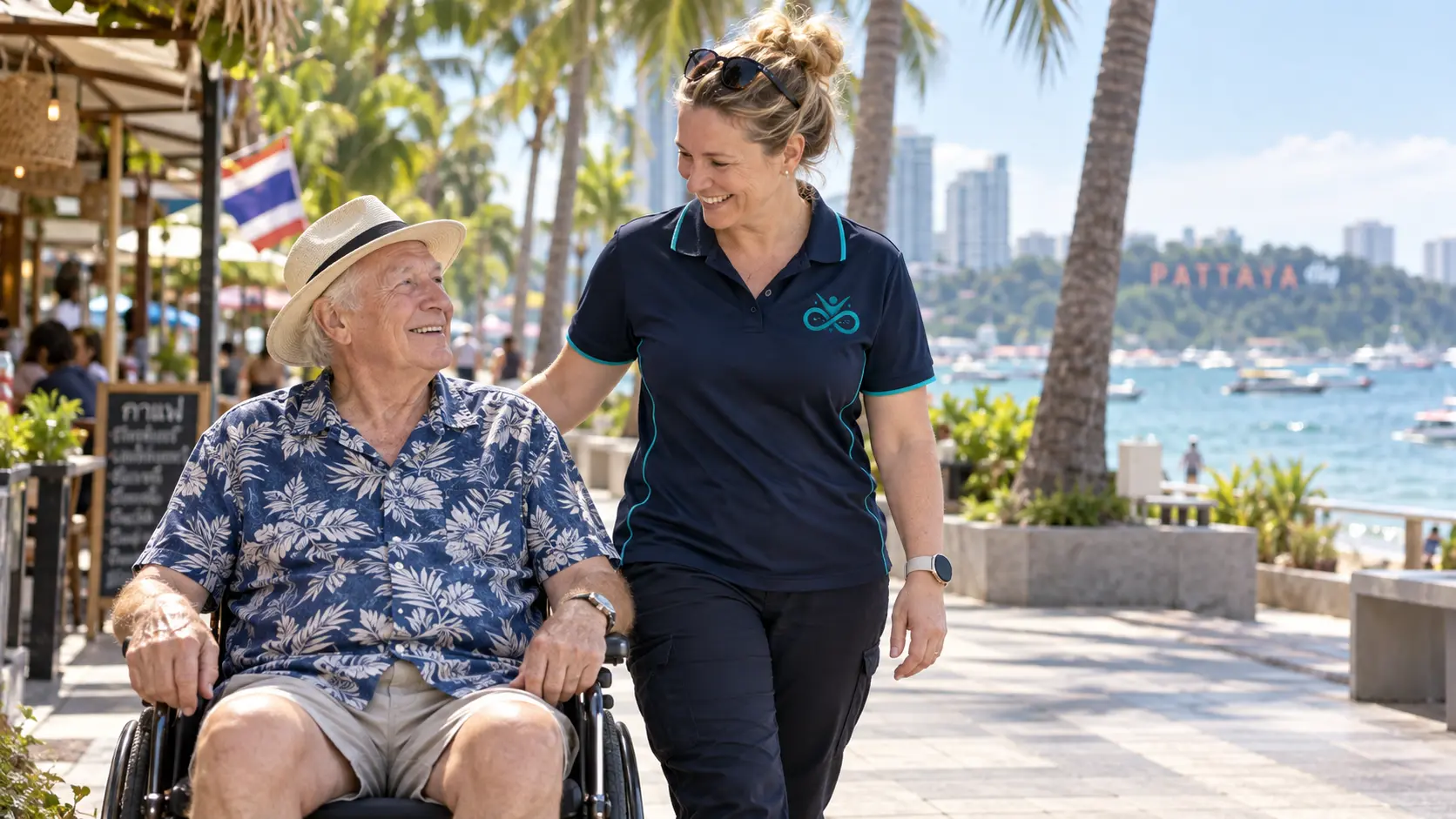
For some participants, support may start with in-home routines. This could include preparing meals, organising the home or building a weekly structure. For others, support may focus on community participation, outdoor activities or confidence outside the home.
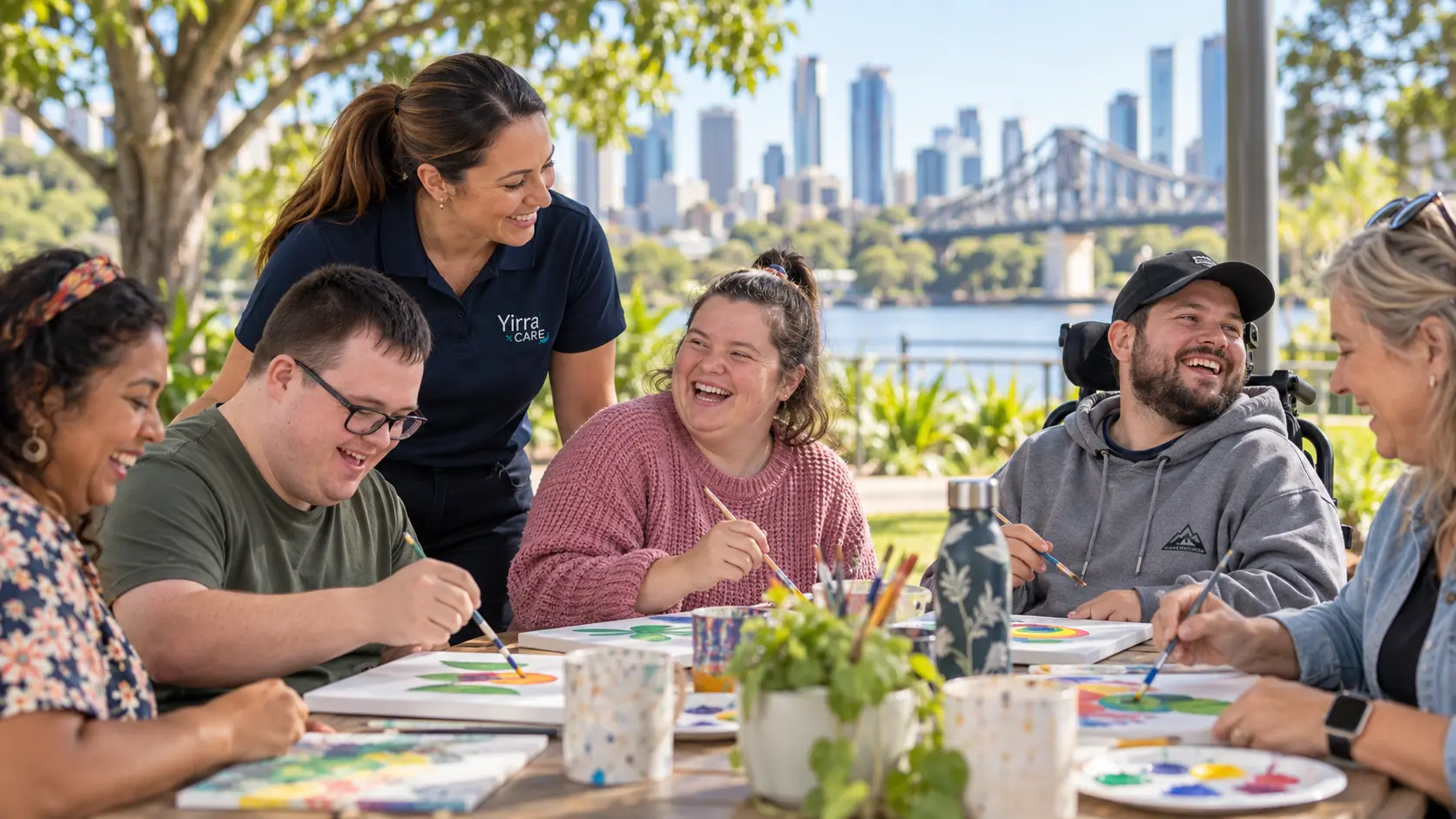
Yirra Care can also support participants who want meaningful community experiences through Yirra Airtime. This can help participants explore activities, build social confidence and enjoy supported experiences in the community.
In my experience, the most effective support feels calm, consistent and respectful. Participants should feel involved in the process. They should understand what is happening and why each step matters.
A good support plan should also adapt. If something is not working, the approach should be reviewed. If the participant improves, support may change to encourage more independence. That flexibility is essential for long-term success.
► Send an NDIS Support Enquiry
A practical approach to independence
Yirra Care focuses on real-life situations. That means support is built around the participant’s home, routine and community goals.
Instead of using a one-size-fits-all model, support should reflect the person’s needs. As a result, progress becomes more meaningful.
Support that connects home and community
Life skills often overlap. A participant may practise planning at home before going into the community. Then, they may use those planning skills during a supported outing.
This connection matters because independence is not built in isolation. It grows across everyday environments.
FAQs About NDIS Life Skills Development
What is ndis life skills development?
ndis life skills development is support that helps participants learn and practise everyday skills. These skills may include cooking, cleaning, routines, communication, travel and community access.
Is life skills support ndis only for young people?
No. life skills support ndis can be useful for participants of different ages. The support depends on the person’s goals, capacity and disability-related needs.
Can NDIS support workers help with cooking skills?
Yes, support workers may help participants build cooking skills when it relates to their goals. This may include meal planning, preparation, kitchen safety and simple routines.
Can life skills support happen at home?
Yes. Many life skills are developed at home because daily routines happen there. Support may include laundry, organisation, meal preparation and household routines.
Can life skills support happen in the community?
Yes. Participants may build skills through shopping, transport, appointments, activities and social participation. These supports can help increase confidence outside the home.
How is life skills development different from personal care?
Personal care may focus on direct assistance with daily needs. Life skills development focuses on learning, practising and improving skills over time.
Does every NDIS participant need life skills support?
No. It depends on the participant’s goals, needs and current plan. The support should be reasonable, necessary and connected to disability-related needs.
How do I ask Yirra Care about life skills support?
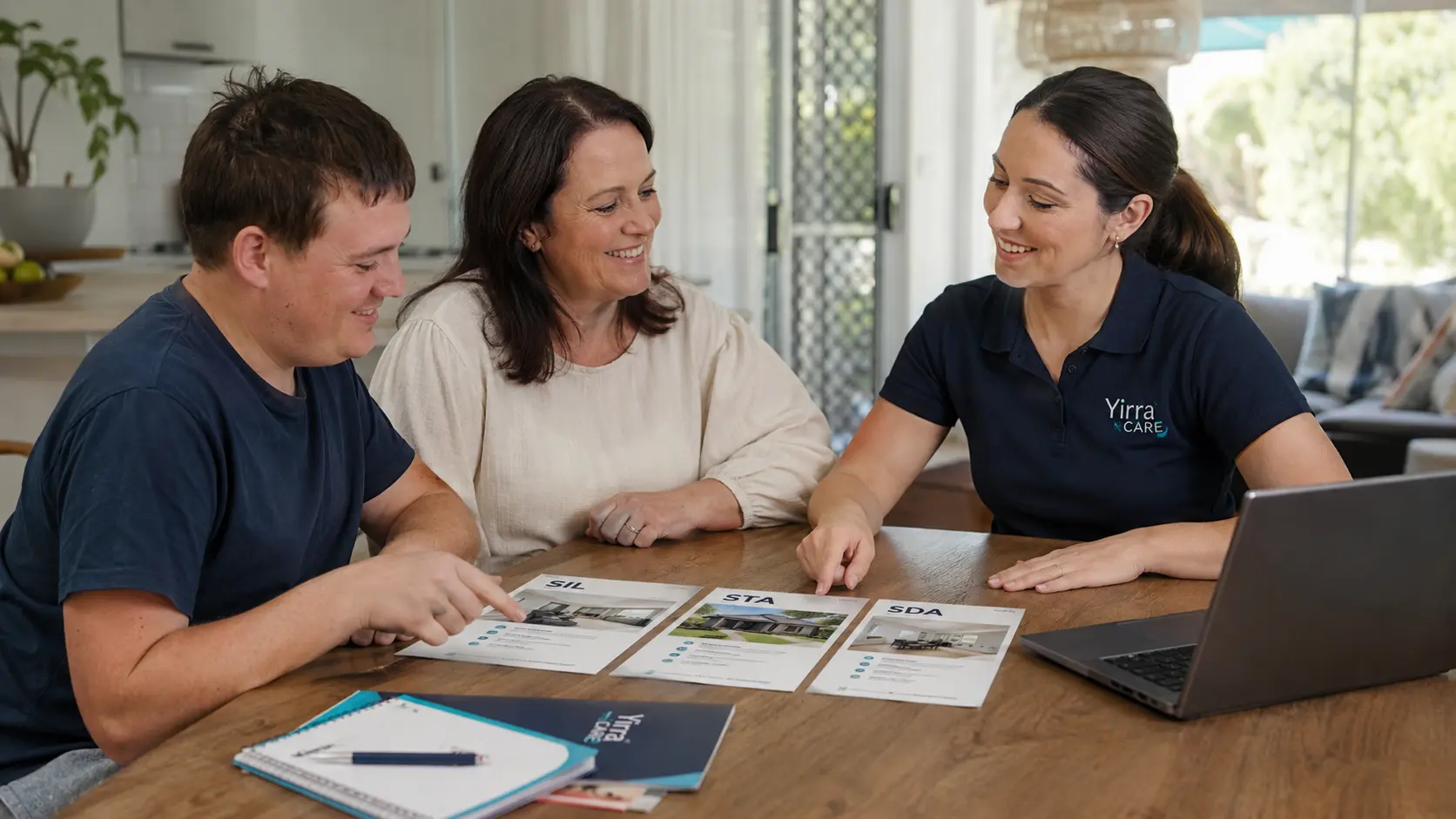
You can contact Yirra Care through the enquiry form and explain the participant’s goals. Then, the team can review what support may suit their needs.
Final Thoughts: Life Skills Support Should Build Confidence, Not Pressure
ndis life skills development can help participants build independence at home and in the community. However, the support must be practical, respectful and paced correctly.
The best results come from small steps repeated consistently. Over time, those steps can create confidence, routine and stronger participation.
If you are looking for life skills support ndis in Brisbane, Yirra Care can help you explore support that matches the participant’s goals. Start with the person, choose practical skills and build independence one step at a time.