
Social Activities for Disabilities Brisbane: A Practical NDIS Guide
social activities for disabilities brisbane can help people build confidence, make friends, and enjoy the community with the right support. The key is choosing activities that feel safe, inclusive, and realistic for the person’s goals.
In this guide, I explain what to look for, how NDIS social participation can work, and how families can choose better options in Brisbane.
Why social activities matter for people with disabilities in Brisbane
Social connection is not a luxury. It is part of a healthy and meaningful life. For many NDIS participants, the right activity can support confidence, communication, routine, and independence.
In my experience, families often start with one simple goal. They want their loved one to get out more. Yet the real need is usually deeper than that. The person may need safe support, gradual exposure, transport help, and a trusted worker who understands them.
That is why social activities for disabilities brisbane should not be chosen only by location. A nearby group is helpful, but suitability matters more. The activity should match the participant’s interests, sensory needs, mobility, communication style, and support level.
Some people enjoy creative workshops. Others prefer gaming groups, outdoor activities, cooking classes, music, sports, or quiet community outings. The best option is not always the busiest one. Often, the best option is the one the person will attend consistently.
NDIS social participation may help participants access the community and build skills. This may include support to attend group activities, meet new people, use public spaces, or practise social routines. The exact support depends on the participant’s NDIS plan and goals.
When I look at community access, I focus on progress, not pressure. A person may start with a short local outing. Later, they may join a small group. Over time, they may feel ready for bigger social settings.
That step-by-step approach can work well. It allows the participant to build trust and confidence without feeling overwhelmed.
For local support options, Yirra Care explains this pathway on the NDIS Community Access in Brisbane page.
🪂Explore Community Access Support
What types of ndis social groups brisbane may suit different needs?
ndis social groups brisbane can vary a lot. Some are structured programs. Others are informal community outings with support. Both can be useful when they match the person’s goals.
A participant who enjoys technology may prefer gaming or digital groups. These spaces can feel easier for people who find face-to-face conversation hard. Shared interests can reduce social pressure and make conversation more natural.
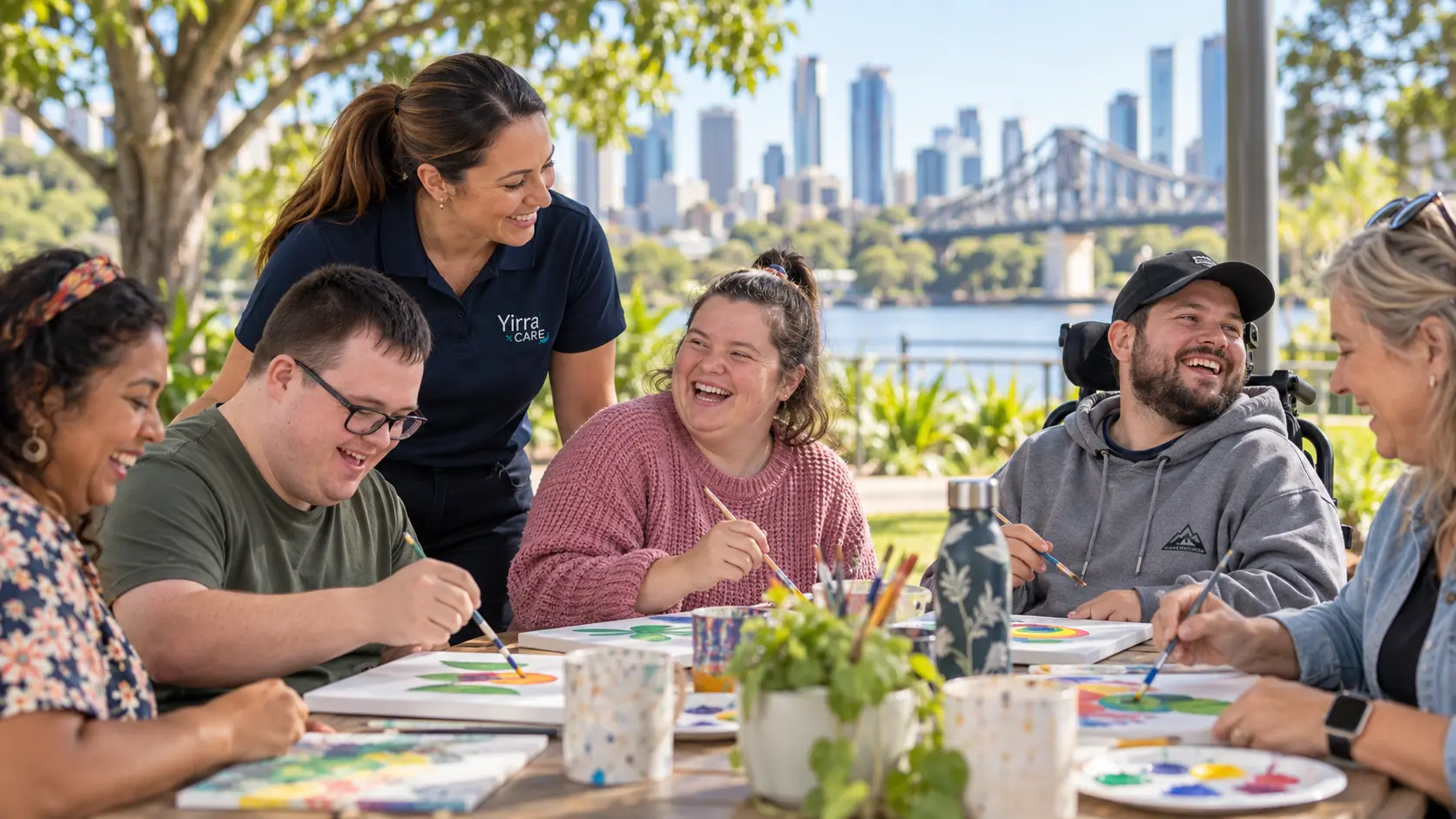
Creative activities can also work well. Art, craft, music, photography, and pottery classes allow people to participate at their own pace. These activities can support expression, focus, and social connection.
Outdoor activities are another strong option in Brisbane. Parks, walking groups, gardens, riverside outings, and nature-based programs can be calming. They can also help people enjoy movement without the pressure of a formal fitness class.
Lo que he visto es that the best social activity is usually connected to an existing interest. If someone already loves animals, nature, games, music, or food, start there. Interest creates motivation.
Some participants benefit from small group settings. Others may need one-on-one support before joining a group. There is no single correct pathway.
Families should also consider the environment. Noise, crowds, lighting, transport, toilets, seating, and access all matter. A great activity can fail if the environment is too stressful.
Support workers play an important role here. They can help the participant arrive, settle, communicate, participate, and leave safely. They can also help manage transitions and unexpected changes.
For participants who enjoy structured recreation, inclusive local programs may be a strong fit. You can explore this further through inclusive recreational programs in Brisbane.
Social activities for disabilities brisbane for confidence building
social activities for disabilities brisbane can support confidence when they start at the right level. The first goal should not always be “make friends immediately.”
Sometimes, the first goal is simply attending. Another goal may be staying for 30 minutes. Later, the participant may join a conversation or take part in a group task.
This kind of progress matters. Small wins can lead to stronger participation over time.
Indoor, outdoor, and interest-based options
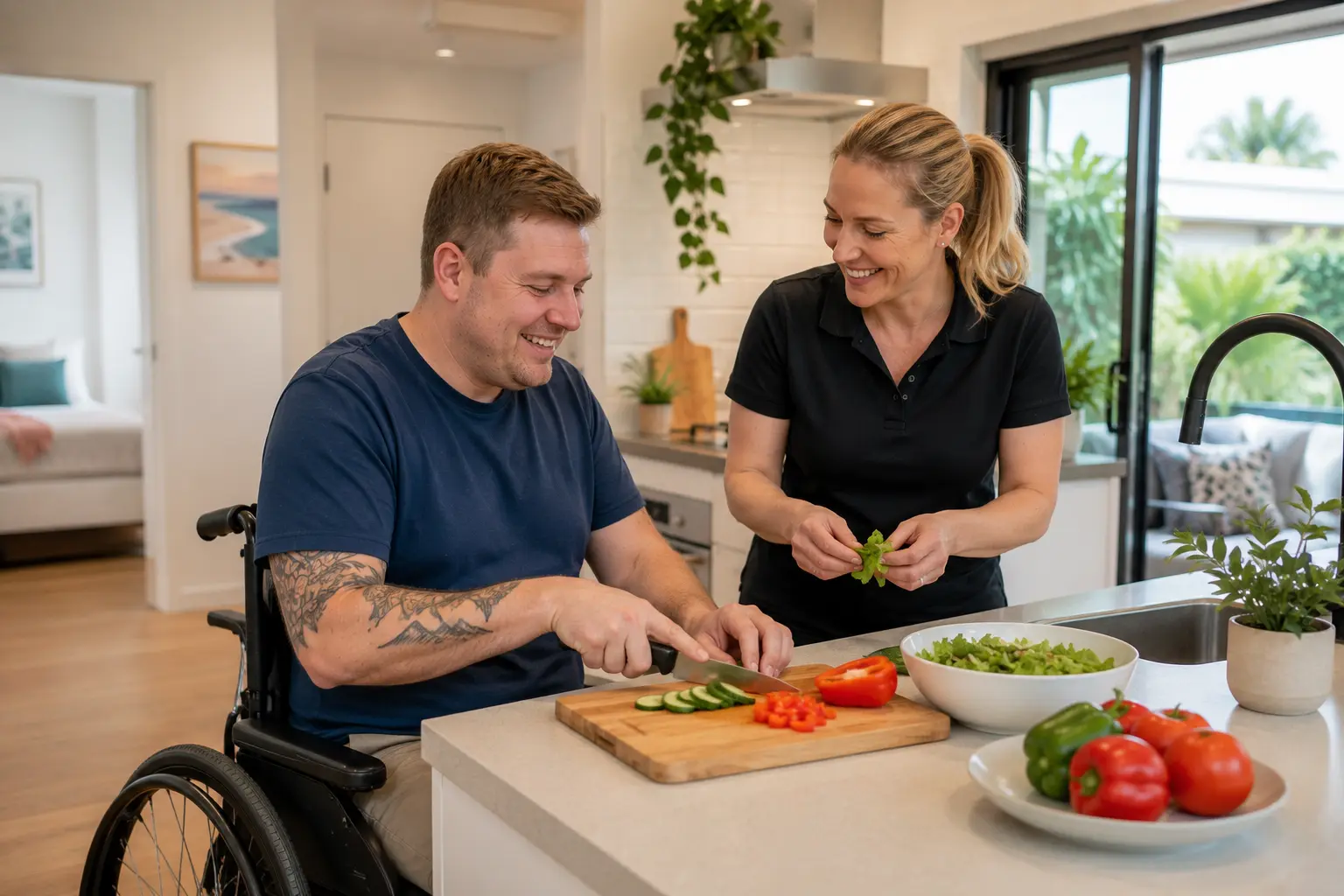
Indoor options may include games, art, cooking, music, and group workshops. Outdoor options may include park visits, walking, gardening, markets, or community events.
Interest-based activities often work better than generic groups. People connect more easily when they share something enjoyable.
🪂How to choose safe and inclusive social activities
How to choose safe and inclusive social activities
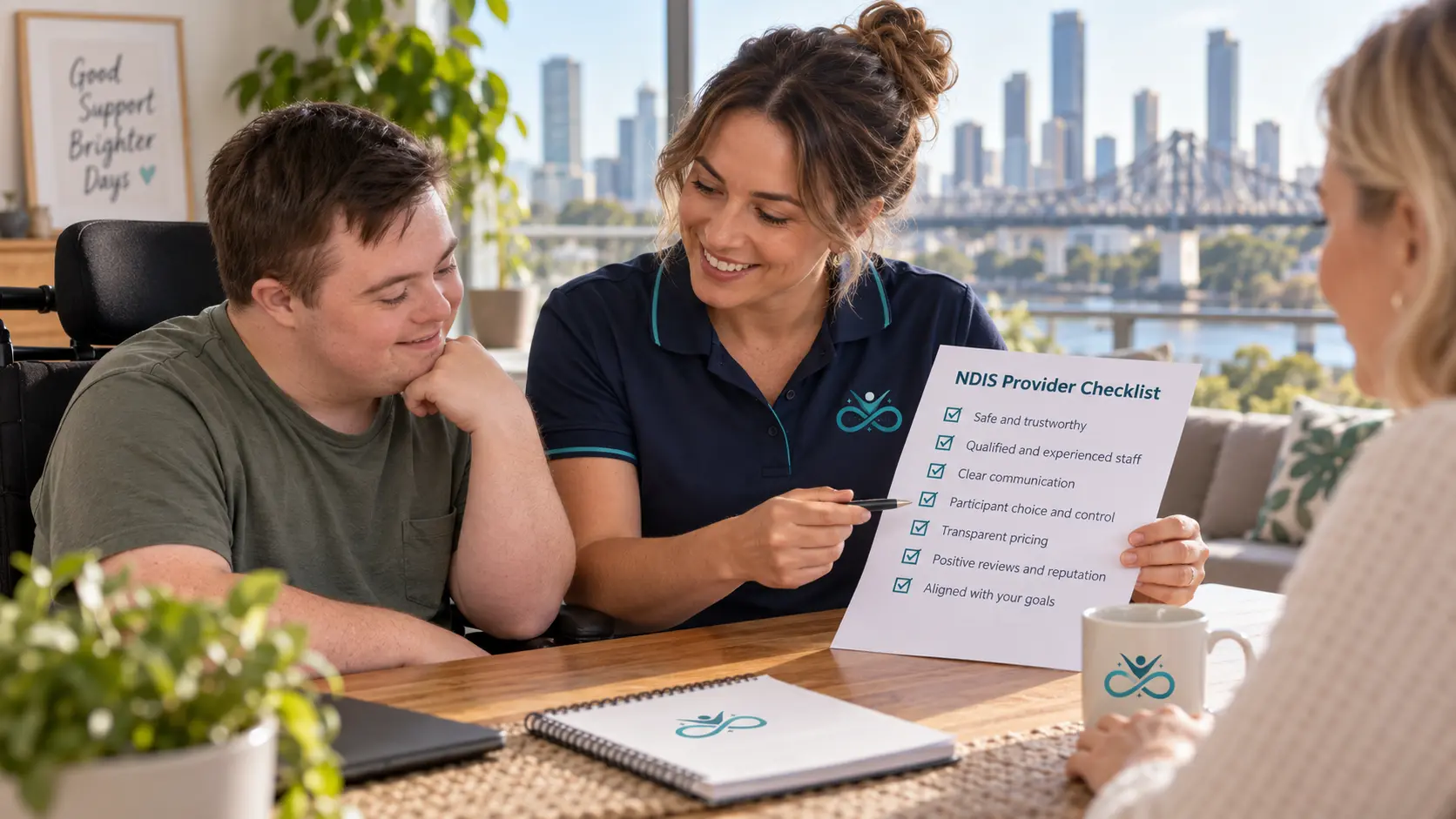
Choosing the right activity takes more than reading a short description online. Families should look at the support model, staff experience, accessibility, and group size.
Start with the participant’s goals. Does the person want friendship, routine, confidence, skill building, or more community access? Each goal may lead to a different type of activity.
Next, review the support level. Some participants need help with transport, personal care, communication, behaviour support, or decision-making. Others only need light prompting.
In my experience, a mismatch in support level is one of the main reasons activities fail. The activity may be good, but the support may not be enough. That can create stress for the participant and family.
Ask whether the activity is disability-inclusive. This does not only mean that people with disabilities can attend. It means the environment is prepared to support different needs.
Good inclusive activities should respect choice. They should also allow flexibility. Not everyone participates in the same way, and that should be acceptable.
Transport is another major factor. A participant may enjoy the idea of a class but struggle to get there. Reliable transport support can make participation more consistent.
Families should also consider emotional safety. A participant should not feel judged, rushed, or ignored. The group should feel welcoming and respectful.
When I analyse activity options, I also look at exit plans. If the person feels overwhelmed, can they take a break? Can they leave early? Is there a quiet space?
These details matter because they reduce risk. They also help the participant feel more in control.
Questions to ask before joining a group
Ask about group size, staff support, accessibility, and session structure. Also ask whether support workers can attend.
Check the cancellation rules and costs. Families should understand what is funded by the NDIS and what may be a personal cost.
Signs an activity may not be suitable
Be careful when a program cannot explain how it supports different needs. Also be cautious if the environment is too crowded or unstructured.
A poor fit does not mean the participant has failed. It only means another option may work better.
How NDIS support can help with community participation
NDIS support may help eligible participants access social and community activities. This often sits under social and community participation supports.
The goal is not just entertainment. The aim is usually skill development, independence, confidence, and community inclusion.
A support worker may help the participant plan an outing. They may assist with transport, communication, money handling, safety, or social interaction. Support can also include encouragement and routine building.
Cuando lo analice from a practical point of view, I see community participation as a bridge. It connects the participant’s goals with real-life experiences. That bridge must be steady and personalised.
For example, a participant may want to join a community art class. The support worker may help them book, arrive, understand the session, and engage with others. Over time, the worker may step back as confidence improves.
Another participant may prefer outdoor activities. Brisbane offers many parks, walking areas, and open spaces. These can support wellbeing and social exposure in a calmer setting.
Yirra Care covers this topic further on the NDIS Outdoor Activities in Brisbane page.
It is important to understand that NDIS funding depends on the plan. Not every activity cost is automatically covered. Some costs may be personal expenses.
For example, support worker time may be funded. However, entry fees, meals, materials, or tickets may not always be covered. Families should check the plan and service agreement.
The best approach is to connect each activity to a clear goal. Goals may include building independence, improving communication, joining the community, or developing daily routines.
That makes the support easier to justify and measure. It also helps the participant see progress.
Practical ideas for social activities in Brisbane
Brisbane has many possible activity types for NDIS participants. The right choice depends on interests, support needs, location, and comfort level.
Gaming and technology-based groups can suit people who enjoy structured social interaction. These activities can help participants connect through shared interests. They may also reduce pressure for constant conversation.
Creative classes are another option. Art, craft, pottery, cooking, music, and photography can be useful for self-expression. They can also help participants build skills in a relaxed environment.
Community outings can also work well. These may include libraries, cafés, local markets, parks, museums, gardens, or gentle walking paths. A support worker can help make these outings more manageable.
In my experience, the first activity should be simple. Families sometimes choose something too ambitious at the beginning. A smaller step can create better long-term results.
For someone with anxiety, a quiet café visit may be a good start, someone who enjoys routine, a weekly class may work better and someone who loves nature, a park outing may feel easier than a crowded venue.
social activities for disabilities brisbane should also consider sensory comfort. Noise, crowds, lighting, and waiting times can affect participation. Planning ahead can reduce stress.
Some participants may prefer one-on-one community access before group activities. That is completely valid. Social confidence can take time.
Others may enjoy joining ndis social groups brisbane quickly. They may like meeting people and trying new experiences. The support plan should reflect the person’s actual style.
Families should also keep notes after each activity. What worked? What felt hard? What should change next time? These observations can help refine future choices.
Low-pressure first steps
Start with short outings, familiar places, and clear routines. Keep the first goal realistic.
A successful first step can be as simple as attending, observing, or staying calm in a new environment.
Activities that build long-term skills
Choose activities that support communication, travel skills, confidence, and decision-making. These skills can help beyond the activity itself.
Good community participation should create benefits that carry into daily life.
How to make social participation more successful
Success depends on planning, consistency, and the right support. It also depends on listening to the participant.
Start by asking what the person enjoys. Then match the activity to their energy, comfort level, and goals. Avoid choosing activities only because they look good on paper.
Create a simple plan before each outing. Include transport, timing, support needs, costs, and what to do if the person feels overwhelmed.
Lo que he visto es that preparation reduces anxiety. When the participant knows what to expect, they often feel more confident.
Support workers should also understand the person’s communication style. Some participants speak directly. Others use gestures, devices, routines, or behaviour to communicate.
The worker should respect those signals. They should not force participation or ignore signs of stress.
After each activity, review what happened. Keep the review simple. Did the person enjoy it? Was the environment suitable? Was the support level right?
Over time, this creates a clearer picture. Families can then choose better activities and avoid poor fits.
social activities for disabilities brisbane work best when they support choice and control. The participant should feel involved, not pushed.
It is also important to celebrate progress. A person may not make friends on day one. Yet they may build confidence, tolerance, and routine.
Those outcomes matter. They can lead to stronger community inclusion over time.
FAQs about social activities for disabilities brisbane
What are good social activities for people with disabilities in Brisbane?
Good options may include art classes, gaming groups, cooking, music, walking groups, parks, libraries, and community outings. The best choice depends on the person’s interests and support needs.
Can NDIS help with social activities?
NDIS may help with support to access social and community participation. This depends on the participant’s plan, goals, and funding.
Activity fees or personal costs may not always be covered. Families should check the plan before booking.
What are ndis social groups brisbane?
ndis social groups brisbane are group activities that support social connection and community participation. They may include recreational, creative, outdoor, or skill-building programs.
The structure and support level can vary. Always check suitability before joining.
How do I choose the right activity?
Start with the participant’s interests, goals, and comfort level. Then review access, group size, transport, staff support, and sensory needs.
A small first step is often better than a rushed commitment.
Can a support worker attend activities?
In many cases, a support worker can assist the participant to attend activities. This may include transport, communication, safety, and participation support.
The support must align with the participant’s NDIS plan and goals.
What if the participant feels anxious in groups?
Start with low-pressure outings or one-on-one support. Build gradually toward small groups when the person feels ready.
Anxiety does not mean community participation is impossible. It means the approach should be more personalised.
Are outdoor activities a good option?
Outdoor activities can be a good option for many participants. Parks, gardens, walking paths, and open spaces may feel calmer than crowded venues.
They can also support movement, wellbeing, and community access.
How often should someone attend social activities?
There is no single rule. Some people benefit from weekly routines. Others may need a slower start.
Consistency matters, but the schedule should match the person’s energy and goals.
Choosing the right social activities for disabilities brisbane
social activities for disabilities brisbane can improve confidence, connection, and independence when chosen carefully. The best activity is not always the most popular one.
The right activity should match the person’s goals, comfort level, support needs, and interests. It should also feel safe and respectful.
In my experience, strong outcomes come from small steps. Start with what the participant enjoys. Add the right support. Then build confidence over time.
NDIS social participation should never feel like pressure. It should feel like a supported pathway into the community.
1 Comment
NDIS Group Activities: Building Confidence Through Connection
September 6, 2026[…] For more Brisbane-specific ideas, see Yirra Care’s guide to social activities for people with disabilities in Brisbane. […]