
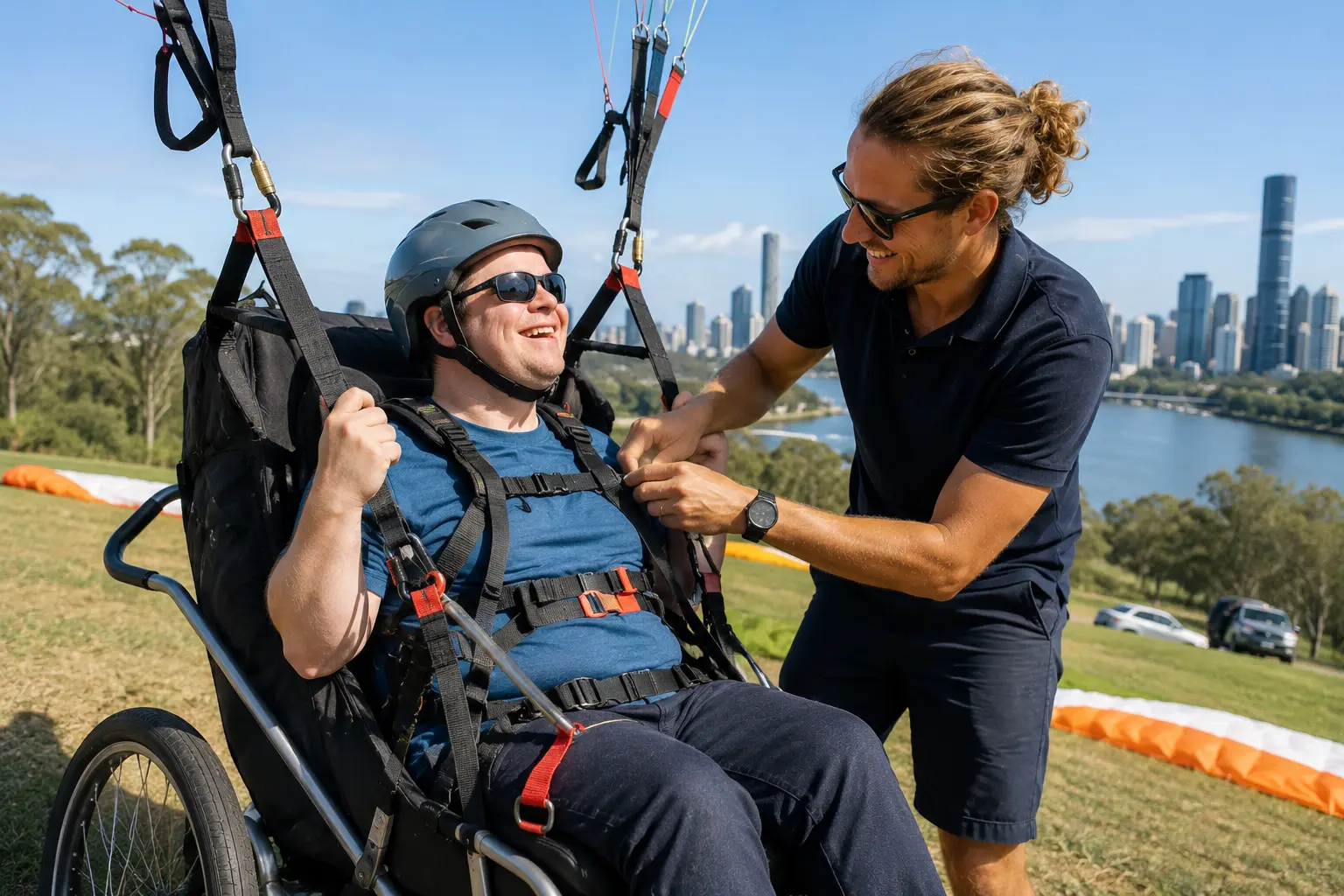
NDIS Community Participation: What It Really Looks Like
ndis community participation helps people with disability build confidence, independence, and real connection in everyday life. However, many families are unsure what this support actually includes.
In this guide, I explain how community participation works, what it may look like, and how to choose activities that match a participant’s goals.
What ndis community participation really means
ndis community participation is about helping eligible participants take part in everyday community life. In practical terms, this can include social outings, skill-building activities, recreational programs, volunteering, classes, or supported visits to local places.
However, the main goal is not just “getting out of the house.” The real purpose is to support independence, confidence, social connection, and personal development. Because of this, every activity should connect to the participant’s NDIS goals.
For example, one participant may want to build confidence using public transport. Another person may want to meet new people through a group activity. Meanwhile, someone else may need support to attend a local class, library, park, or community event.
In my experience, many families think community participation means large group programs only. That is not always true. Sometimes, the best first step is a short supported outing with one trusted worker.
This matters because every participant has a different comfort level. Some people enjoy busy places. Others need quiet environments, predictable routines, and gradual exposure.
A good support plan should respect those differences. It should also consider communication needs, mobility, sensory preferences, transport, safety, and emotional wellbeing.
When I analyse community access support, I always start with the person’s real daily life. What do they enjoy? What makes them anxious? Which skills do they want to build? These questions lead to better choices.
Community participation can also support families. When a participant becomes more confident outside the home, family routines may become more balanced. As a result, the participant may gain more choice and control.
For Brisbane-based participants, Yirra Care explains this support pathway through NDIS Community Access in Brisbane.
► Explore Community Access Support
Community participation ndis examples that make sense in daily life
community participation ndis examples can look very different from person to person. Therefore, the best examples are the ones linked to personal goals, not generic activities.
A participant who wants more social confidence may attend a small group program. This could include art, music, cooking, gaming, gardening, or a recreational activity. In this case, the goal may be communication, friendship, routine, or confidence.
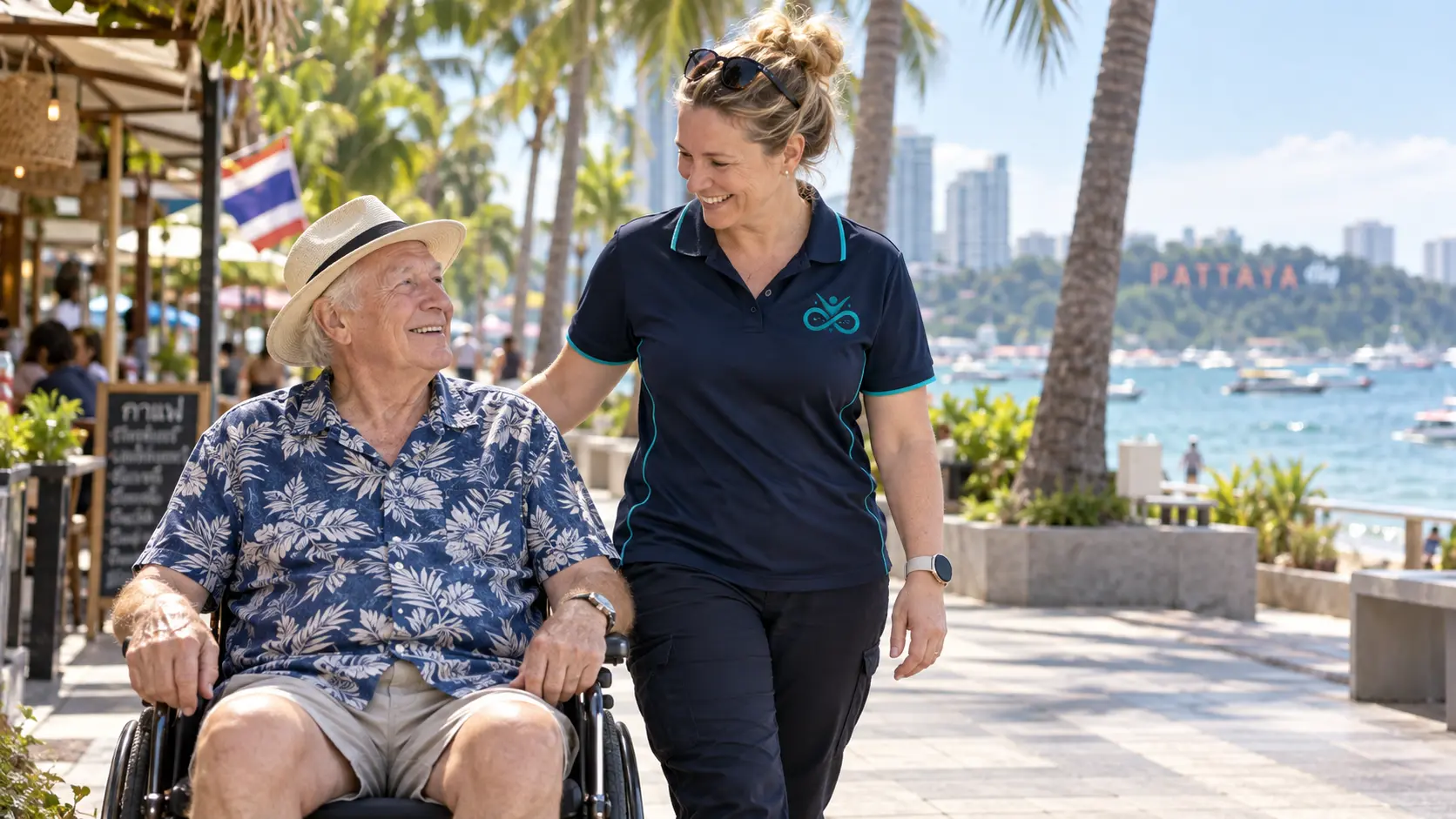
Another participant may prefer one-on-one support in the community. They may visit a café, go to a library, walk in a park, or practise shopping. Although these activities look simple, they can build important daily skills.
For some people, community participation may involve learning how to move around Brisbane safely. This can include planning a route, using public transport, managing time, or asking for help. Over time, these skills can increase independence.
Lo que he visto es that small steps often create the strongest outcomes. A participant may begin with short outings. Later, they may attend longer activities or join a group.
This gradual approach is especially helpful when someone feels anxious, overwhelmed, or unsure in new places. Instead of forcing participation, the support should build confidence at the right pace.
Community participation may also include outdoor activities. Brisbane has parks, walking areas, gardens, and open spaces that can support wellbeing. For many participants, these settings feel calmer than crowded indoor venues.
However, not every activity cost is automatically covered by the NDIS. Support worker time may be funded when it aligns with the plan. Yet tickets, food, materials, or personal spending may be separate costs.
Because of this, families should check the participant’s plan and service agreement before booking activities. Clear expectations prevent confusion later.
For outdoor activity ideas, Yirra Care also covers related options on the NDIS Outdoor Activities in Brisbane page.
NDIS community participation for social confidence
NDIS community participation can help participants practise social interaction in a supported way. This may include greeting others, joining a conversation, ordering food, or attending a group.
At first, progress may feel small. However, regular practice can help the participant feel more comfortable in community settings.
Practical examples of supported community access
Supported community access may include shopping, appointments, hobbies, classes, events, or local outings. It can also include learning routines that make participation easier.
The activity should always support the participant’s goals. Otherwise, it may become entertainment without a clear purpose.
How to choose the right community participation support
Choosing the right support starts with the participant’s goals. Before selecting an activity, families should ask what the person wants to achieve.
Some participants want friendship. Others want more independence, better routines, or stronger confidence in public places. Therefore, the support should be built around that outcome.
In my experience, a common mistake is choosing the activity before understanding the need. A program may look good online, but it may not suit the participant’s sensory needs, communication style, or energy level.
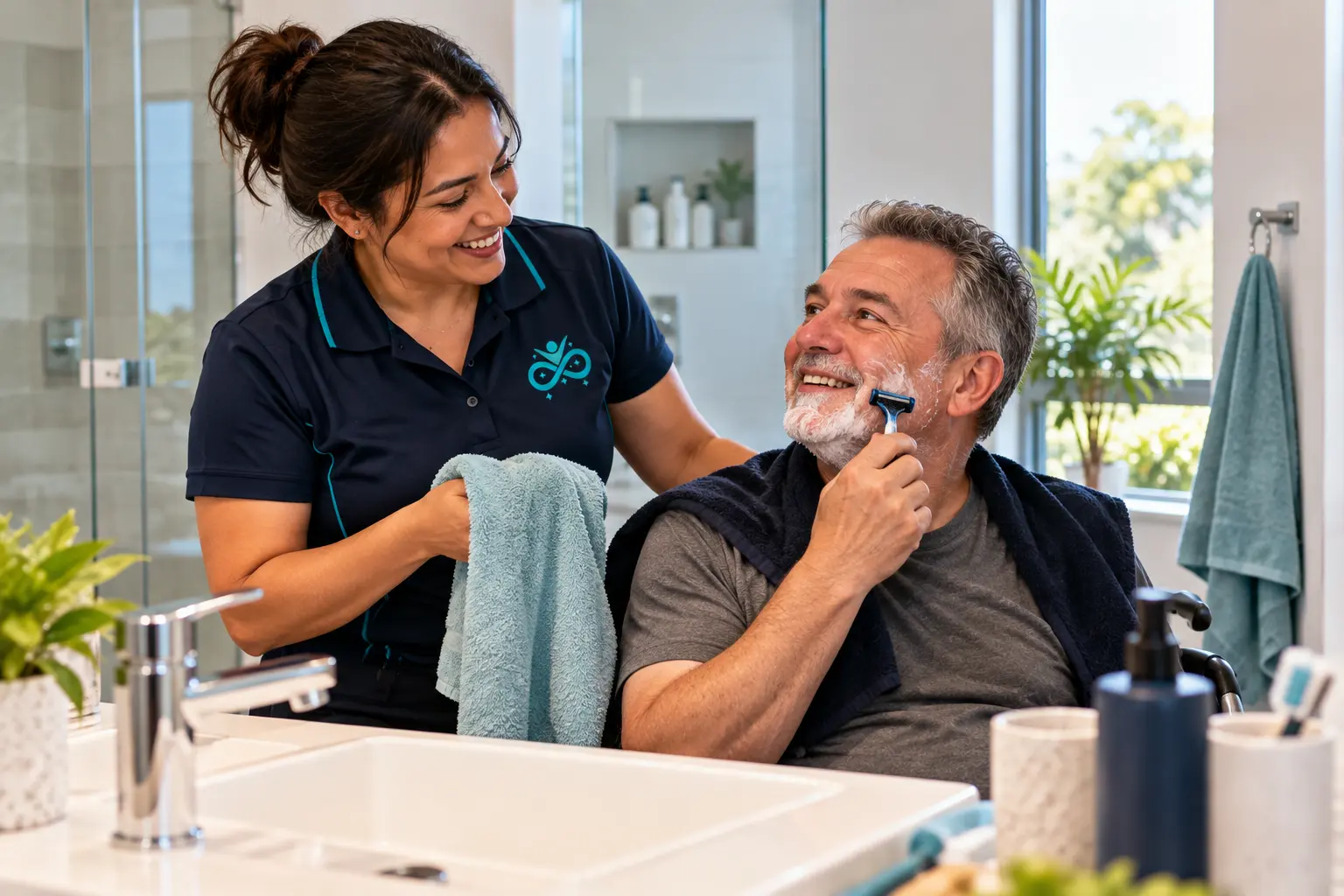
The support worker also matters. A good worker does more than attend an activity. They help the participant prepare, participate, communicate, stay safe, and reflect afterwards.
For example, a support worker may help plan transport. They may also explain what to expect, support decision-making, and reduce anxiety during transitions. As a result, the participant can feel more secure.
Families should also look at the environment. Is it accessible? Is it noisy? Are there quiet spaces? Can the participant leave early if needed? These details are important.
Although community participation should encourage growth, it should not create unnecessary pressure. A participant should feel supported, not pushed.
It also helps to choose activities linked to existing interests. If someone enjoys animals, nature, food, games, or music, start there. Interest creates motivation, and motivation improves consistency.
For people who need broader community access support, the Community Access Disability page explains how support can be shaped around daily life.
Questions families should ask before starting
Families should ask how the support will match the participant’s NDIS goals. They should also ask about transport, safety, communication, and flexibility.
In addition, it is useful to ask how progress will be reviewed. Good support should adapt as the participant grows.
Signs the activity may not be the right fit
An activity may not be suitable if the participant feels constantly overwhelmed. It may also be a poor fit if staff cannot explain how support will be provided.
However, a poor match does not mean failure. It simply means another option may work better.
🪂Ask About NDIS Community Support
How NDIS community participation builds independence over time
NDIS community participation can build independence when support is consistent and personalised. The goal is not to do everything for the participant. Instead, support should help the person do more with confidence.
A participant may start by attending an activity with close support. Then, the worker may gradually reduce prompts where appropriate. Over time, the participant may make more choices and take more active steps.
For example, someone may first need help ordering a drink. Later, they may choose the café, speak to staff, and manage payment with less support. These small changes can be meaningful.
Cuando lo analice from a practical support perspective, I look for progress in daily skills. Is the person more confident? Are they making more choices? Can they handle new environments better?
Community participation can also improve communication. A participant may practise asking questions, expressing preferences, or joining conversations. In many cases, these skills transfer into other areas of life.
Routine is another benefit. Regular activities can give structure to the week. As a result, participants may feel more connected and less isolated.
However, support must remain flexible. Some weeks may be harder than others. Health, energy, mood, transport, and weather can all affect participation.
A strong provider should adjust the plan without making the participant feel guilty. This approach protects dignity and keeps the person engaged.
It is also important to celebrate realistic progress. Not every outcome needs to be dramatic. Attending a new place, staying calm, or trying a new task can be a positive step.
Good community support should balance safety and independence. Too much help can reduce confidence. On the other hand, too little support can create risk.
The right balance depends on the participant’s needs, goals, and preferences. Because of this, regular communication between the participant, family, support coordinator, and provider is important.
Common mistakes families should avoid
One common mistake is choosing the most available activity instead of the most suitable one. Availability matters, but fit matters more.
Another mistake is expecting instant results. Community confidence often builds slowly. Therefore, families should allow time for trust, routine, and skill development.
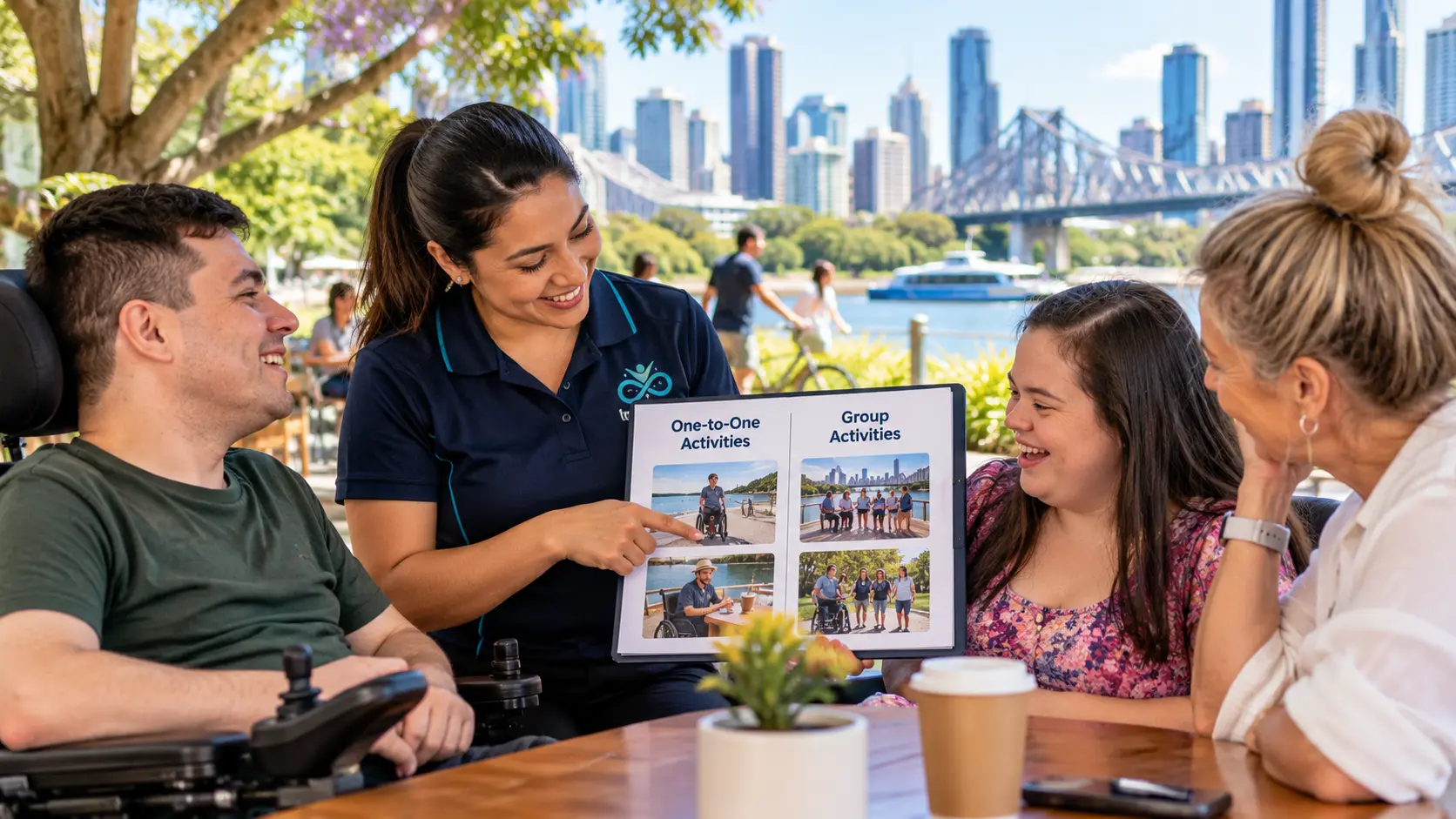
Some families also focus only on group activities. While groups can be valuable, one-on-one community access may be the better starting point.
In my experience, the strongest outcomes usually come from a staged approach. First, the participant builds comfort. Next, they practise simple routines. Finally, they may move into more social or challenging activities.
A second mistake is ignoring sensory needs. Noise, crowds, lighting, smells, and waiting times can affect the experience. Because of this, planning ahead can prevent avoidable stress.
Families should also avoid unclear goals. If the goal is “go out more,” the support may become too broad. Instead, goals should connect with skills, confidence, participation, or independence.
Another important issue is transport. An activity may be suitable, yet transport problems can stop attendance. Reliable planning makes participation more consistent.
Finally, families should review the support regularly. A participant’s needs may change. As confidence grows, the activity or support level may need adjustment.
NDIS community participation should feel like a pathway, not a fixed box. The support should grow with the person.
When one-on-one support may be better first
One-on-one support may suit participants who feel anxious in groups. It may also help people who need personalised communication or mobility support.
After confidence improves, group activities may become easier. However, the pace should match the participant.
When group activities may work well
Group activities can work well when the participant enjoys social settings. They may also help build friendships and routine.
Still, the group should be inclusive, accessible, and suitable for the person’s support needs.
👉Plan Community Participation Support
FAQs about ndis community participation
What is ndis community participation?
ndis community participation is support that helps eligible participants take part in community, social, and recreational activities. It can also help build confidence and independence.
The support should connect to the participant’s NDIS goals. It should also match their needs and preferences.
What are community participation ndis examples?
community participation ndis examples may include social groups, classes, shopping, library visits, park outings, volunteering, hobbies, and community events.
The best example depends on the participant’s goals. It should also consider access, safety, and support needs.
Can NDIS fund social activities?
The NDIS may fund support to access social and community activities when it is reasonable and necessary. However, personal costs may not always be covered.
For this reason, participants should check their plan. They should also review costs before booking.
Can a support worker attend community activities?
Yes, a support worker may assist with community activities when the support aligns with the participant’s plan. This may include transport, communication, safety, and participation support.
The worker should encourage independence where possible. They should not take control unnecessarily.
Is community participation only for group programs?
No, community participation can include one-on-one support and group activities. The right option depends on the participant’s comfort level and goals.
In some cases, one-on-one support is the best first step. Later, group participation may become suitable.
How do I choose the right activity?
Start with the participant’s interests, goals, and support needs. Then consider accessibility, transport, sensory comfort, and staff support.
A suitable activity should feel realistic. It should also support progress over time.
What if the participant feels anxious outside the home?
Start slowly with familiar places and short outings. Then build toward new activities as confidence improves.
Anxiety does not mean participation is impossible. It means the support should be personalised.
How often should community participation happen?
There is no single rule. Some participants benefit from weekly routines, while others need a slower pace.
Consistency is helpful. However, the schedule should match energy, goals, and support needs.
Is ndis community participation right for your situation?
ndis community participation may be a strong option when a participant wants more confidence, connection, and independence. However, the support must be chosen carefully.
The best approach starts with the person, not the activity. Their goals, interests, comfort level, and support needs should guide every decision.
In my experience, meaningful progress often starts with small, realistic steps. A short outing can lead to better routines. Over time, those routines can support stronger community involvement.
Community participation should not feel forced. Instead, it should feel safe, respectful, and connected to real life.
When the support is planned well, participants can build skills that matter beyond one activity. They can gain confidence, make choices, and take part in the community with more control.



2 Comments
Porn IP
July 5, 2026Every day is a new beginning
Community Access Support Brisbane: One-to-One vs Group | Yirra Care
October 1, 2026[…] For broader information about what community participation can involve, see Yirra Care’s NDIS community participation guide. […]