
Supported Independent Living NDIS: Is SIL the Right Choice?
supported independent living ndis can feel confusing at first. Many people hear “SIL” and think it means housing, rent, or a place to live.
That is not always the case. SIL is mainly about the daily support a person needs to live more independently. In this guide, I explain what SIL means, who it may suit, what it usually includes, and when another NDIS support may be a better fit.
What supported independent living ndis actually means
supported independent living ndis refers to help with daily tasks for people who need regular support at home. The goal is to help a person live as independently as possible while still receiving the right level of care.
SIL is often used by people who live in shared accommodation. However, it can also apply in other living arrangements. The key point is the support, not just the property.
In simple terms, SIL may help with daily routines, personal care, meal preparation, household tasks, medication prompts, and building independent living skills. It may also include overnight support when that is reasonable and necessary.
In my experience, many families start by asking, “Can SIL pay for the house?” That is usually the wrong starting point. A better question is, “What daily support does the participant need to live safely and with more independence?”
SIL does not usually cover rent, groceries, utilities, or everyday living costs. Those are personal expenses. It also does not automatically include specialist disability accommodation. That is a different support area under the NDIS.
The main purpose of SIL is to fund the support workers and care structure around the participant. This is why good planning matters. The participant’s goals, functional needs, risks, routines, and support hours all matter.
When I analyse SIL options, I look at the person first. Then I look at the home environment. That approach avoids choosing a living arrangement before understanding the real support needs.
For people exploring options in Brisbane, our page on Supported Independent Living Brisbane explains how local SIL support may work in practice.
👉 Check SIL Support Options in Brisbane
SIL NDIS explained: who may be a good fit?
SIL may suit NDIS participants who need frequent help with daily living. This often includes people who cannot safely manage key routines without support.
A person may need help getting ready in the morning. They may need support with meals, hygiene, cleaning, community routines, or emotional regulation. Some participants also need help overnight or during unexpected situations.
SIL can be useful when support needs are regular and ongoing. It may be less suitable when a person only needs occasional help. In those cases, other supports may work better.
Lo que he visto es that SIL works best when the participant has clear goals. These goals might include building daily living skills, improving confidence, or living with less family reliance.
A good SIL arrangement should not remove independence. It should support independence. That means staff should not do everything for the participant by default.
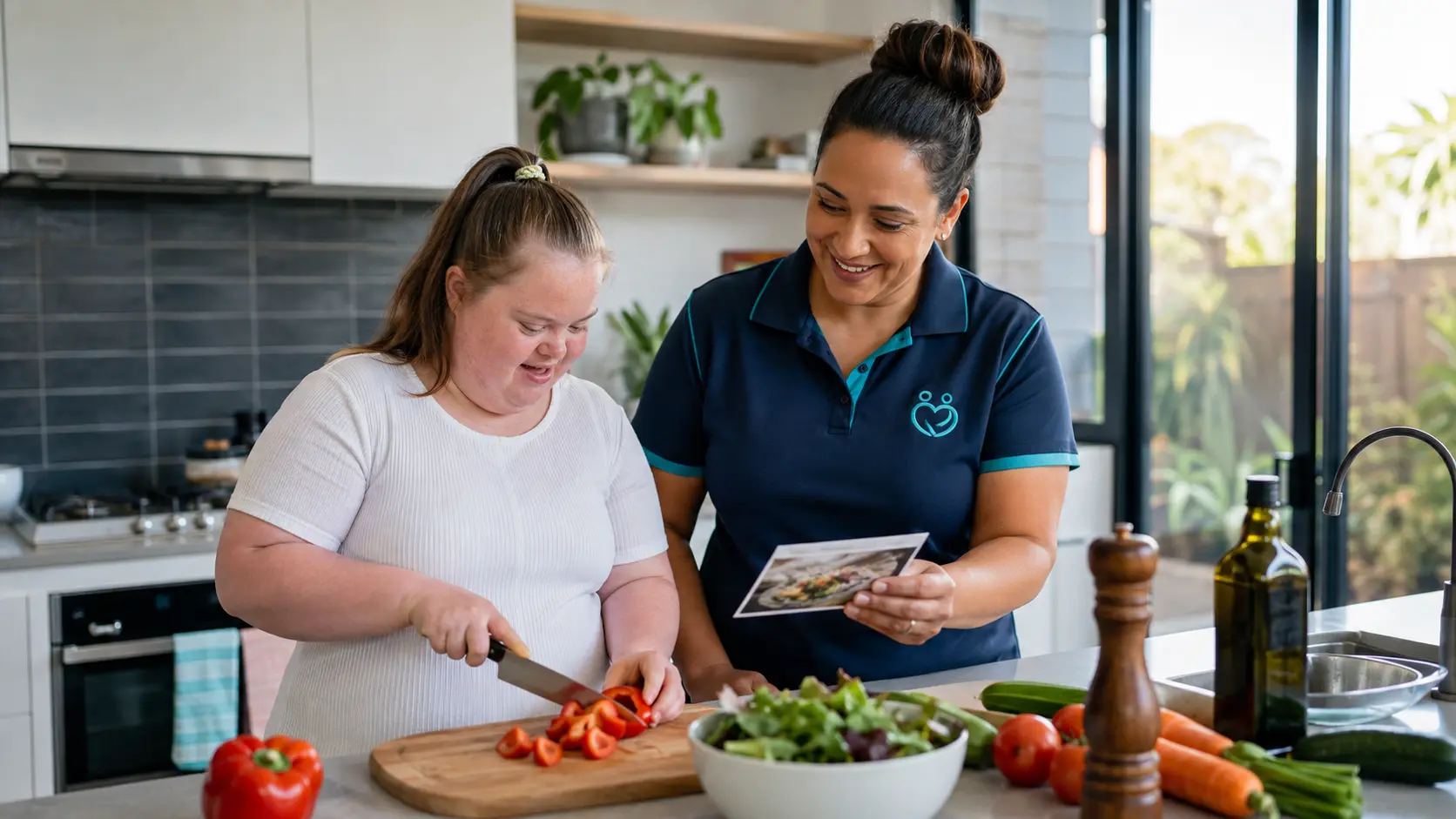
For example, a support worker may help someone prepare dinner. Yet the goal may be to teach routines, encourage choice, and build confidence. Over time, the person may do more tasks themselves.
This is one of the biggest differences between passive care and strong SIL support. Good SIL should respect choice, dignity, privacy, and personal routines.
Families should also think about compatibility in shared homes. Housemates, location, routines, noise levels, and support style can all affect the outcome.
A participant who enjoys quiet routines may not suit a busy shared home. Another person may thrive with housemates and structured social interaction.
Supported independent living ndis should be matched to the person’s needs. It should not be treated as a one-size-fits-all solution.
What SIL support can include in daily life
SIL support usually focuses on practical daily tasks. The exact support depends on the participant’s plan, goals, and assessed needs.
Common supports may include help with personal care. This can involve showering, dressing, grooming, and getting ready for the day. Some participants also need support with continence care or mobility routines.
Meal support is another common area. A worker may help with planning meals, preparing food, cooking safely, and cleaning after meals. The goal should always consider the person’s skills and choices.
Household routines can also be included. This may cover laundry, basic cleaning, bedroom routines, and keeping shared spaces safe. These tasks are often part of building independent living skills.
In my experience, the best outcomes happen when support is structured but not controlling. Participants need consistency, yet they also need room to make choices.
SIL may also involve behaviour support routines. Some participants need help managing stress, communication, sensory needs, or transitions. Staff should understand the person’s support plan and daily triggers.
Another important area is community participation. SIL itself focuses on home and living support. However, the participant’s broader NDIS supports may also include community access.
Families often confuse SIL with all daily supports. It is better to separate home-based support from other services. That makes the plan easier to understand and manage.
supported independent living ndis and shared homes
supported independent living ndis is commonly used in shared living arrangements. In these homes, participants may share support workers with others.
Shared support can make sense when needs align. It can also create a more social environment. However, compatibility is very important.
A shared home should feel safe, respectful, and suitable. It should not simply be the first vacancy available.
What SIL usually does not cover
SIL does not usually pay for rent. It also does not usually cover food, utilities, personal spending, or general household bills.
Transport, therapy, and community access may sit under other NDIS categories. That depends on the participant’s plan.
This is why families should review the plan carefully. They should also ask providers to explain what is included before agreeing to support.
How to decide if SIL is the right choice
Choosing SIL is a major decision. It affects daily routines, family involvement, independence, and long-term goals.
Start with the participant’s needs. Ask what support is needed during the day. Then ask what support is needed at night. Also consider risks when support is not available.
A person who needs daily prompting may need a lower level of support. Another person may need active assistance across many routines. These are very different support profiles.
When I review SIL suitability, I focus on real-life situations. Can the person prepare meals safely? Can they manage hygiene routines? Can they respond to emergencies? Can they live safely without regular support?
It also helps to consider family sustainability. Many families provide huge levels of informal care. Over time, that can become difficult to maintain.
SIL may be appropriate when informal support is no longer enough. It may also help when a participant wants to develop independence outside the family home.
Still, SIL is not the only pathway. Some participants may do better with Individualised Living Options, in-home support, or supported accommodation with different funding.
For a deeper housing comparison, read our SIL Housing Brisbane Guide. It can help you understand options before making a decision.
Questions to ask before choosing SIL
Ask how support hours are structured. Also ask whether support is active, shared, overnight, or on call.
Check how the provider manages staff training. Also ask how they handle incidents, routines, medication prompts, and participant choice.
A good provider should explain everything clearly. They should not pressure the participant or family into a fast decision.
Signs SIL may not be the best fit
SIL may not suit a person who only needs light weekly support. It may also be unsuitable when the main issue is housing, not daily support.
If the participant mainly needs rent assistance, SIL is probably not the answer. If they need therapy, that should be considered separately.
The right choice depends on the person’s needs, not the label attached to the service.
How providers should support independence, not dependence
The word “independent” matters. SIL should not create dependence by doing everything for the participant.
A strong provider helps the person build routines. They encourage safe choices. They also respect the participant’s voice, culture, preferences, and goals.
In my experience, families often notice the difference quickly. A good team communicates well and supports progress. A poor team may focus only on shifts and tasks.
Support workers should understand the participant’s goals. They should know when to assist, when to prompt, and when to step back.
This balance is important. Too little support can create risk. Too much support can reduce confidence.
A good SIL arrangement should include regular reviews. The participant’s needs may change over time. Support should adjust when skills improve or circumstances change.
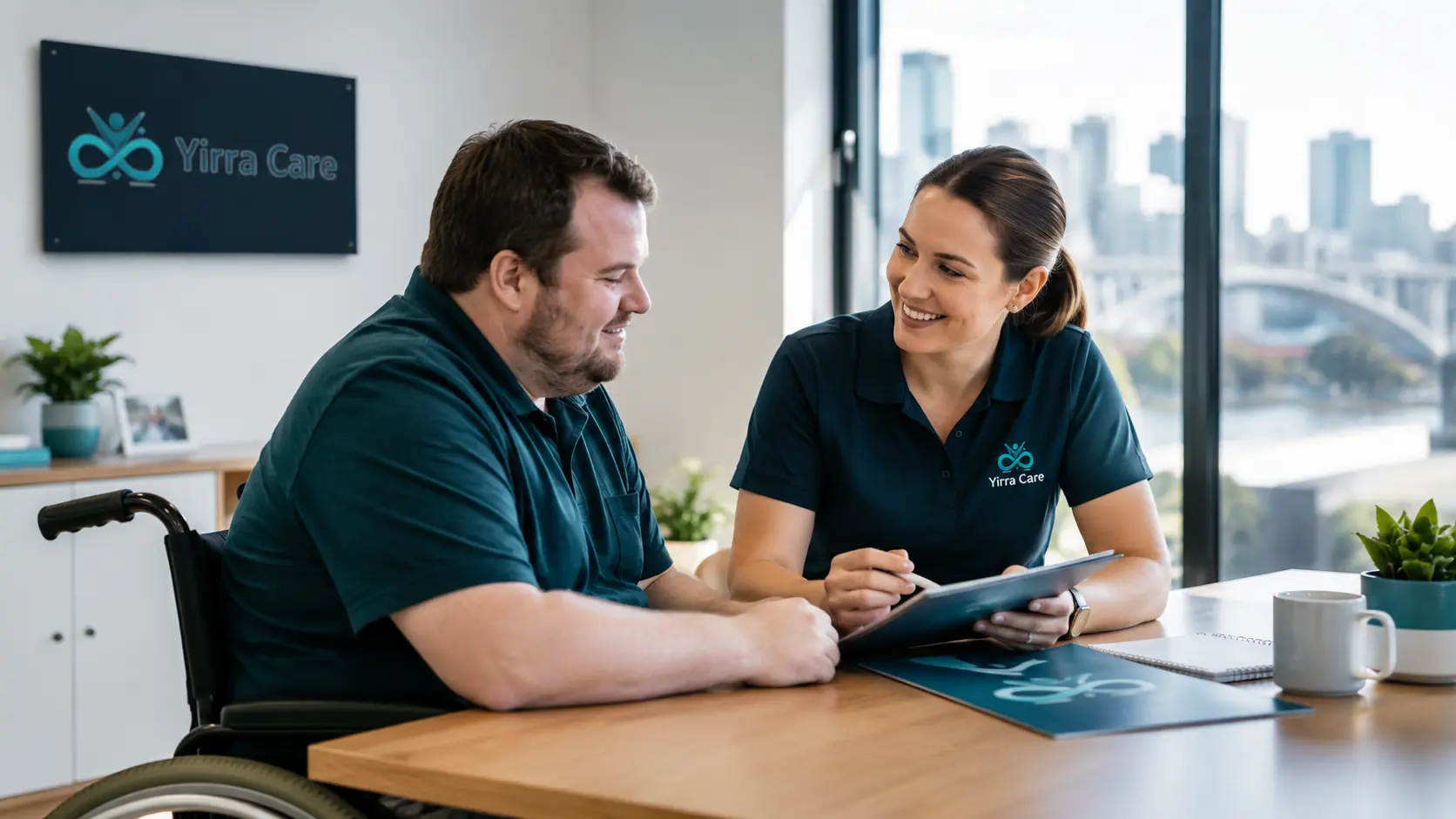
Communication is also essential. Families, support coordinators, providers, and the participant should stay aligned. Everyone should understand the support model.
The participant should also have choice and control. That includes daily routines, meals, activities, relationships, and personal space.
Supported independent living ndis should never feel like a locked pathway. It should be reviewed as life changes.
If you are still learning about NDIS services, our Yirra Care blog covers related topics in plain language.
Questions families should ask before starting SIL
Before starting SIL, ask for a clear explanation of support. Do not rely only on brochures or general promises.
Ask what a normal day looks like. Ask how staff support morning routines, meals, personal care, and evening routines.
Request clarity on shared support. Families should know whether staff are dedicated to one person or shared with housemates.
Ask how the provider handles emergencies. Also ask what happens when regular staff are unavailable.
Compatibility also matters. If the person will share a home, ask about housemate matching. Consider routines, communication styles, interests, and support needs.
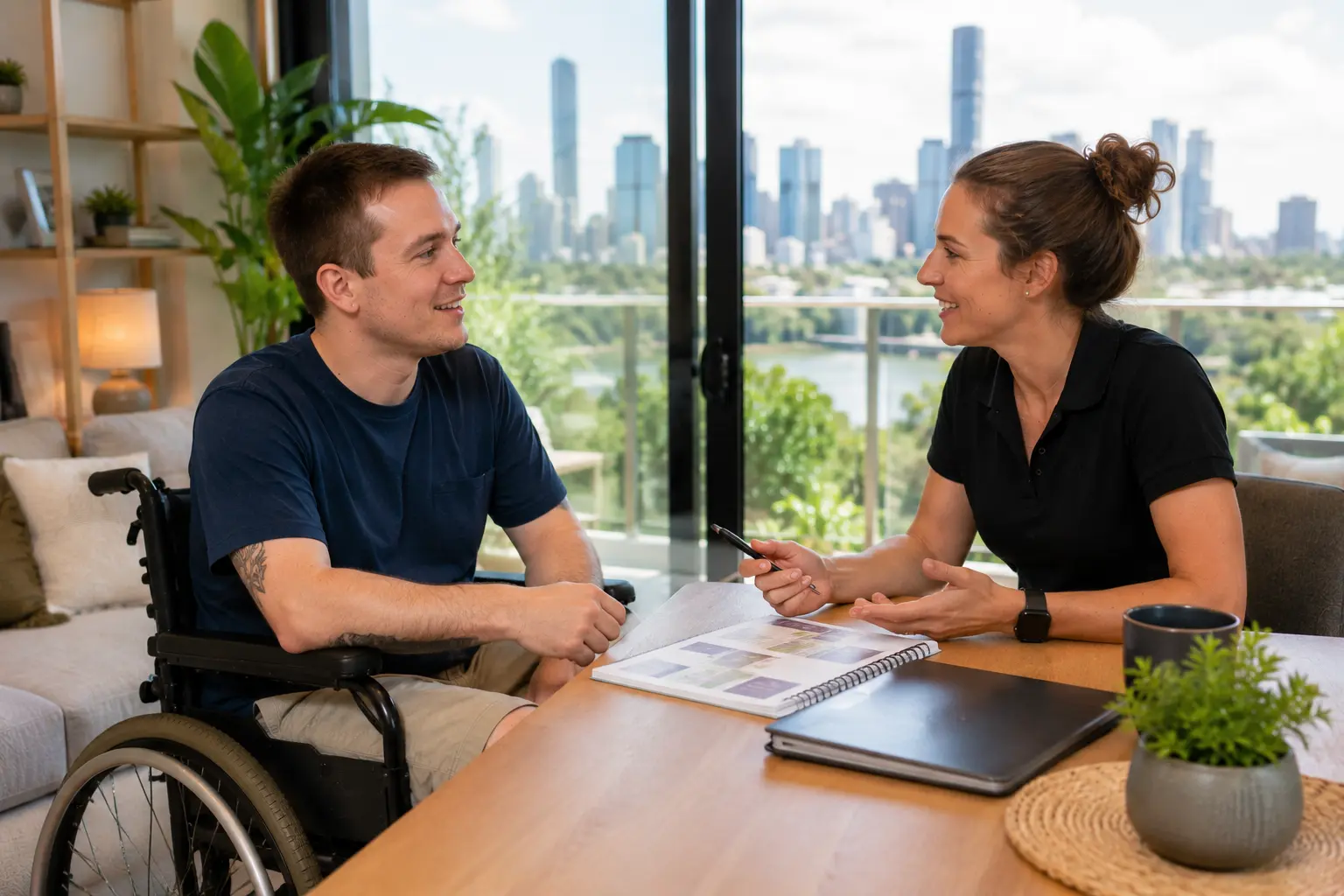
In my experience, the best decisions happen after honest conversations. Families should feel informed, not rushed.
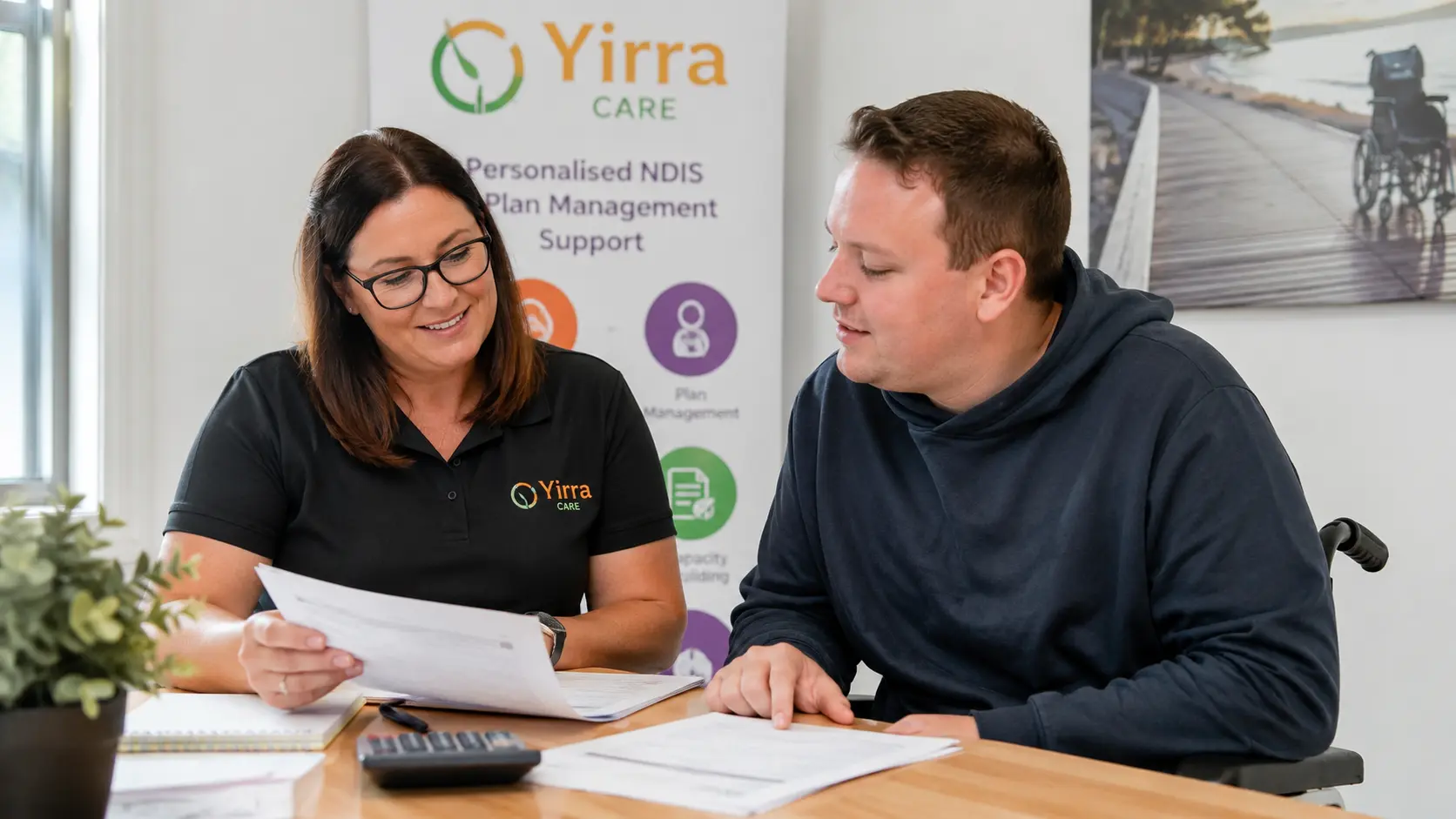
It is also wise to review service agreements carefully. The agreement should explain responsibilities, costs, cancellation terms, and complaints processes.
The participant should be involved as much as possible. Their preferences should guide the decision.
If communication is limited, providers should still seek consent and preference in suitable ways. This may include visual tools, routines, trusted people, or supported decision-making.
SIL can be life-changing when it is planned well. It can help a person gain confidence, routine, safety, and more independence.
However, it must be matched carefully. The best SIL option is not always the closest home or fastest vacancy. It is the support model that fits the participant.
👉 Discuss Supported Living Support
FAQs about supported independent living ndis
What is supported independent living under the NDIS?
Supported independent living is support with daily tasks at home. It helps eligible NDIS participants live with more independence and safety.
It may include help with personal care, meals, routines, and household tasks. The exact support depends on the participant’s needs.
Does SIL pay for rent?
SIL generally does not pay rent. Rent, food, utilities, and personal expenses are usually separate living costs.
SIL focuses on support workers and daily living assistance. Housing and support should be understood separately.
Is SIL only for shared housing?
SIL is common in shared housing, but the support need is the key factor. Some arrangements may differ.
The main question is whether the participant needs regular daily support at home. The home type should match that need.
How do I know if SIL is right for me or my family member?
Start by looking at daily support needs. Consider personal care, meals, safety, overnight needs, and independence goals.
If support is frequent and ongoing, SIL may be worth exploring. A support coordinator can also help review options.
What is the difference between SIL and SDA?
SIL funds daily support. Specialist Disability Accommodation, or SDA, relates to specialist housing for eligible participants.
A person may have one without the other. They are different supports with different purposes.
Can SIL help someone become more independent?
Yes, that should be one of the goals. SIL can help build routines, confidence, and daily living skills.
The provider should encourage choice and progress. Support should not remove independence unnecessarily.
Can I choose my SIL provider?
Participants usually have choice and control over providers. The options may depend on location, availability, and funding.
It is important to compare providers carefully. Look at communication, staff training, values, and suitability.
What should I ask a SIL provider before agreeing?
Ask what support is included, how staff are trained, and how routines are managed. Also ask about shared support and emergency processes.
You should also review the service agreement. Make sure costs and responsibilities are clear.
Is supported independent living ndis the right next step?
supported independent living ndis may be the right choice when a person needs regular support to live safely and confidently.
It is not just about finding a house. It is about building the right support around the participant’s daily life.
The best decision starts with needs, goals, and real routines. Then the housing and provider options can be reviewed properly.
If SIL is matched well, it can support independence, dignity, and better daily outcomes. If it is rushed, it may create stress and confusion.
For that reason, take time to compare options. Ask clear questions. Choose a provider who explains the process in plain language.