
SIL vs STA: Which NDIS Housing Option Is Right for You?
Finding the right living arrangement is one of the most important decisions for people participating in the National Disability Insurance Scheme (NDIS). The NDIS provides a range of housing and living supports designed to help participants live safely, develop independence and stay connected with their community.
However, many participants and families feel overwhelmed when trying to understand the different NDIS housing options available. Terms like SIL, STA, SDA or ILO can be confusing, especially if you are new to the NDIS.
In our experience working with NDIS participants and families in Brisbane, many people initially focus on finding accommodation first. But the most important step is actually understanding what type of support is required to live safely and independently.
Two of the most commonly discussed supports are Supported Independent Living (SIL) and Short Term Accommodation (STA). While both relate to accommodation and care, they serve very different purposes within an NDIS plan.
Understanding NDIS Housing Options
The NDIS funds several types of supports that relate to housing and independent living. These supports aim to help participants find safe, suitable and supportive living arrangements based on their individual needs.
Depending on the participant’s goals, disability support needs and level of independence, the NDIS may fund different housing-related supports such as:
- Supported Independent Living (SIL)
- Short Term Accommodation (STA)
- Specialist Disability Accommodation (SDA)
- Medium Term Accommodation (MTA)
- Individualised Living Options (ILO)
Each of these supports serves a different purpose, ranging from temporary accommodation to long-term supported living arrangements.
In many situations we see, participants begin exploring housing options when they want to build greater independence, transition away from family care, or access more structured daily support.
The Main NDIS Housing Supports Explained
Supported Independent Living (SIL)
Supported Independent Living (SIL) is one of the most common NDIS housing supports. SIL helps participants live independently while receiving daily support with essential tasks.
SIL usually takes place in:
- shared supported housing
- the participant’s own home
- a supported living environment with other participants
Support workers assist with daily tasks such as:
- personal care and hygiene
- meal preparation
- household activities
- building independent living skills
- medication prompts
The goal of SIL is to help participants develop independence while maintaining a safe and supportive living environment.
You can learn more about NDIS SIL providers in Brisbane who support participants with daily living and independence.
Talk to an NDIS Housing Support Expert
Short Term Accommodation (STA)
Short Term Accommodation (STA) provides temporary supported accommodation for NDIS participants. It is often referred to as respite care.
STA allows participants to stay in a different environment for a short period of time while still receiving support.
STA typically includes:
- accommodation
- meals
- personal care
- daily support
- social activities
Participants may stay for short periods, often up to 14 days at a time, depending on their NDIS plan.
In our experience supporting participants, STA can be particularly helpful when families need temporary respite or when participants want to experience a new environment that promotes independence and social connection.
You can explore how NDIS Short Term Accommodation in Brisbane works for participants and families.
Specialist Disability Accommodation (SDA)
Specialist Disability Accommodation (SDA) refers to purpose-built housing designed for people with very high support needs or extreme functional impairment.
These homes may include features such as:
- wheelchair accessible layouts
- assistive technology integration
- specialised safety features
- customised housing design
SDA funding usually covers the housing structure itself, while supports such as SIL may provide the daily care within the home.
Medium Term Accommodation (MTA)
Medium Term Accommodation (MTA) provides temporary housing while a participant waits for long-term housing solutions.
This support may be used when:
- a participant is waiting for SDA housing
- a home modification is being completed
- a transition to supported housing is being arranged
MTA ensures participants still have safe and supported accommodation during transitions.
Individualised Living Options (ILO)
Individualised Living Options (ILO) provide flexible living arrangements tailored to a participant’s personal preferences and goals.
Examples may include:
- living with a host family
- co-residency arrangements
- shared living support models
ILO focuses on creative and personalised housing arrangements rather than traditional supported housing models.
SIL vs STA: What’s the Difference?
Although both supports involve accommodation, SIL and STA serve very different purposes.
Length of support
SIL
- Long-term living arrangement
- Ongoing support for daily living
STA
- Short-term accommodation
- Temporary stays, often for respite
Level of independence
SIL
- Focus on building independence
- Structured support for daily routines
STA
- Short breaks from usual living arrangements
- Support during temporary stays
Living arrangements
SIL
- Permanent supported housing
- Shared or individual living environments
STA
- Temporary supported accommodation provided by a service provider
How to Choose the Right NDIS Housing Option
Choosing the right housing support depends on several factors, including the participant’s daily support needs, independence goals and long-term living preferences.
Questions to ask your support coordinator
When exploring NDIS housing options, it can help to ask:
- Do I need daily ongoing support to live independently?
- Am I looking for temporary accommodation or a permanent living arrangement?
- What level of support do I require each day?
Understanding these factors can help participants and families make informed decisions about their housing support options.
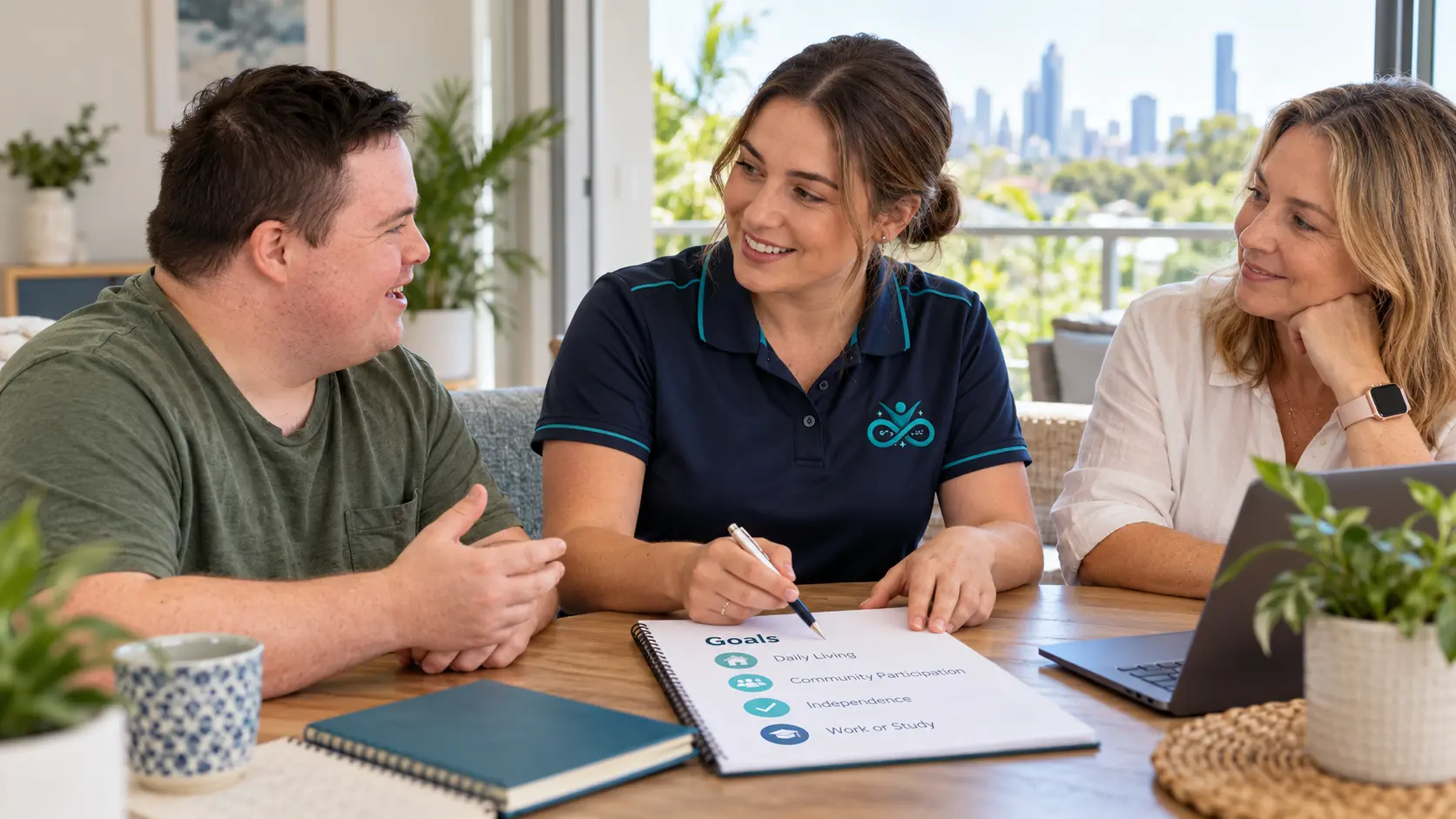
Matching housing supports with your goals
In our experience working with participants across Brisbane, the best outcomes happen when housing options are aligned with personal goals, independence levels and community participation.
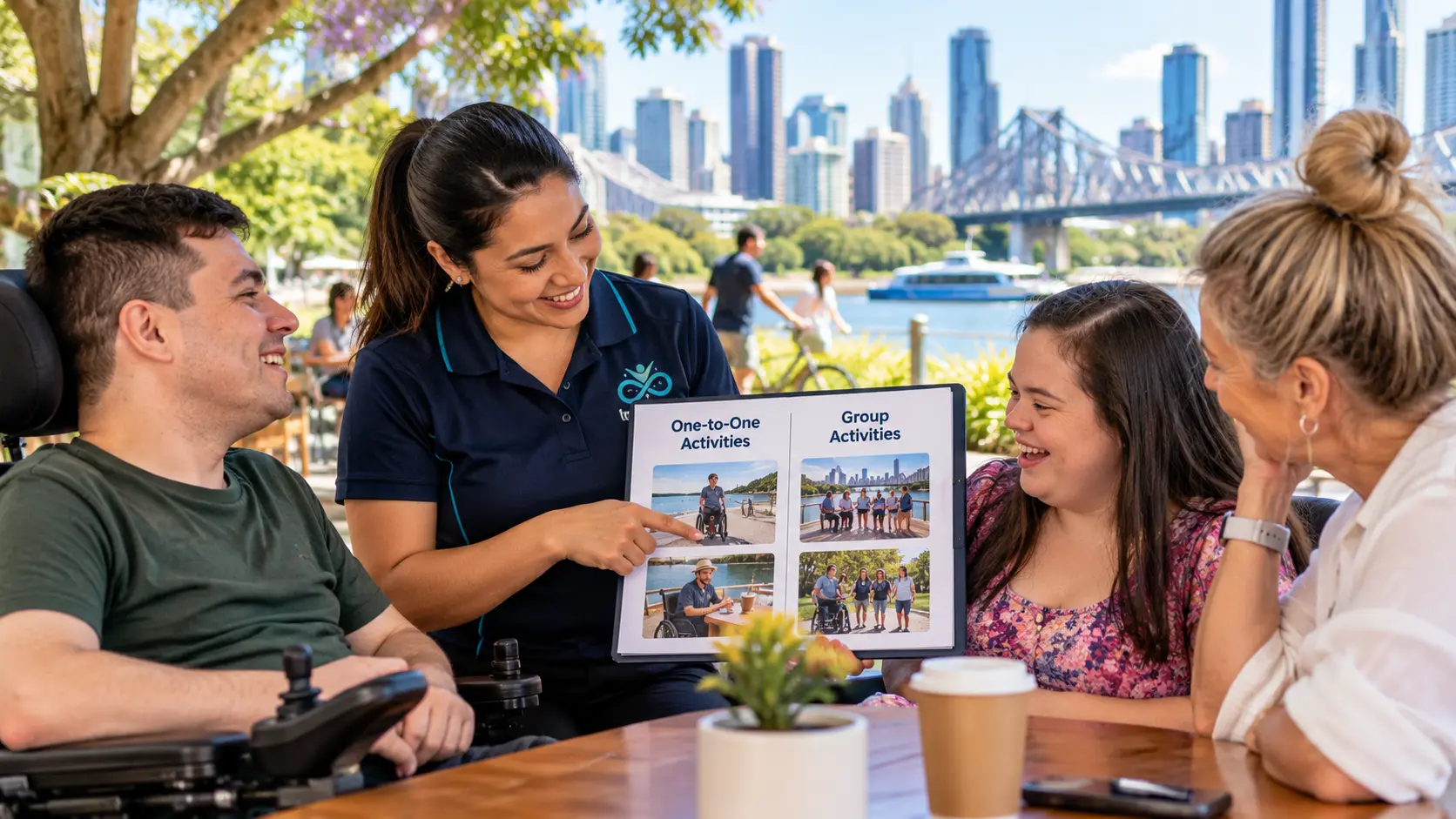
Many participants also benefit from activities that build social confidence and community connections, such as inclusive NDIS outdoor activities in Brisbane, which help strengthen independence and wellbeing.
How Yirra Care Supports NDIS Participants
At Yirra Care, our mission is to empower people with disability to live fulfilling and independent lives.
We work closely with:
- NDIS participants
- families and carers
- support coordinators
- allied health professionals
Our team focuses on building genuine relationships and providing person-centred support that helps participants grow, develop confidence and stay connected with their community.
With services based in Brisbane and expanding across Australia, our goal is to create inclusive communities where people with disability can live with dignity, independence and choice.
Talk to Our NDIS Team About Housing Options
Exploring NDIS housing options can feel overwhelming, especially when deciding between supports like SIL, STA or other accommodation models.
Speaking with an experienced provider can help you better understand:
- what housing supports may be available in your plan
- how funding works for accommodation supports
- which option aligns best with your goals
Start Your NDIS Housing Support Conversation
Frequently Asked Questions About NDIS Housing
What housing options are available under the NDIS?
Common NDIS housing supports include Supported Independent Living (SIL), Specialist Disability Accommodation (SDA), Short Term Accommodation (STA), Medium Term Accommodation (MTA) and Individualised Living Options (ILO).
What is the difference between SIL and SDA?
SDA refers to the physical housing designed for people with high support needs, while SIL provides the daily support services within the home.
Can you receive both SIL and STA?
Yes. Some participants may receive both supports in their NDIS plan depending on their needs.
Who qualifies for NDIS housing supports?
Eligibility depends on the participant’s functional needs, disability support requirements and individual goals, assessed during the NDIS planning process.
Conclusion
Understanding the different NDIS housing options is essential for participants who want to live safely, independently and with the right level of support.
While options like Supported Independent Living provide long-term support, services such as Short Term Accommodation offer temporary care and respite. Other supports such as SDA, MTA and ILO provide additional pathways depending on a participant’s circumstances.
The key is choosing the housing support that aligns with your goals, independence level and support needs.
If you are exploring NDIS housing options, speaking with a knowledgeable support team can help you make informed decisions about the next step in your journey.