
In-Home NDIS Support for Autism: What Brisbane Families Need to Know
If you’re searching for in home support for autism, you’re likely looking for practical, consistent help that makes daily life smoother and more manageable.
For many Brisbane families, autism support at home isn’t just about assistance it’s about building routines, reducing stress, and creating a safe environment where children and adults can thrive.
At Yirra Care, we work closely with families who want structured, compassionate support that fits naturally into their home life. Here’s what you need to know.
What Is In-Home Support for Autism Under the NDIS?
In-home support for autism refers to funded assistance delivered in the participant’s home environment. Under the NDIS, this usually falls within Core Supports and sometimes Capacity Building categories.
Support workers can help with:
-
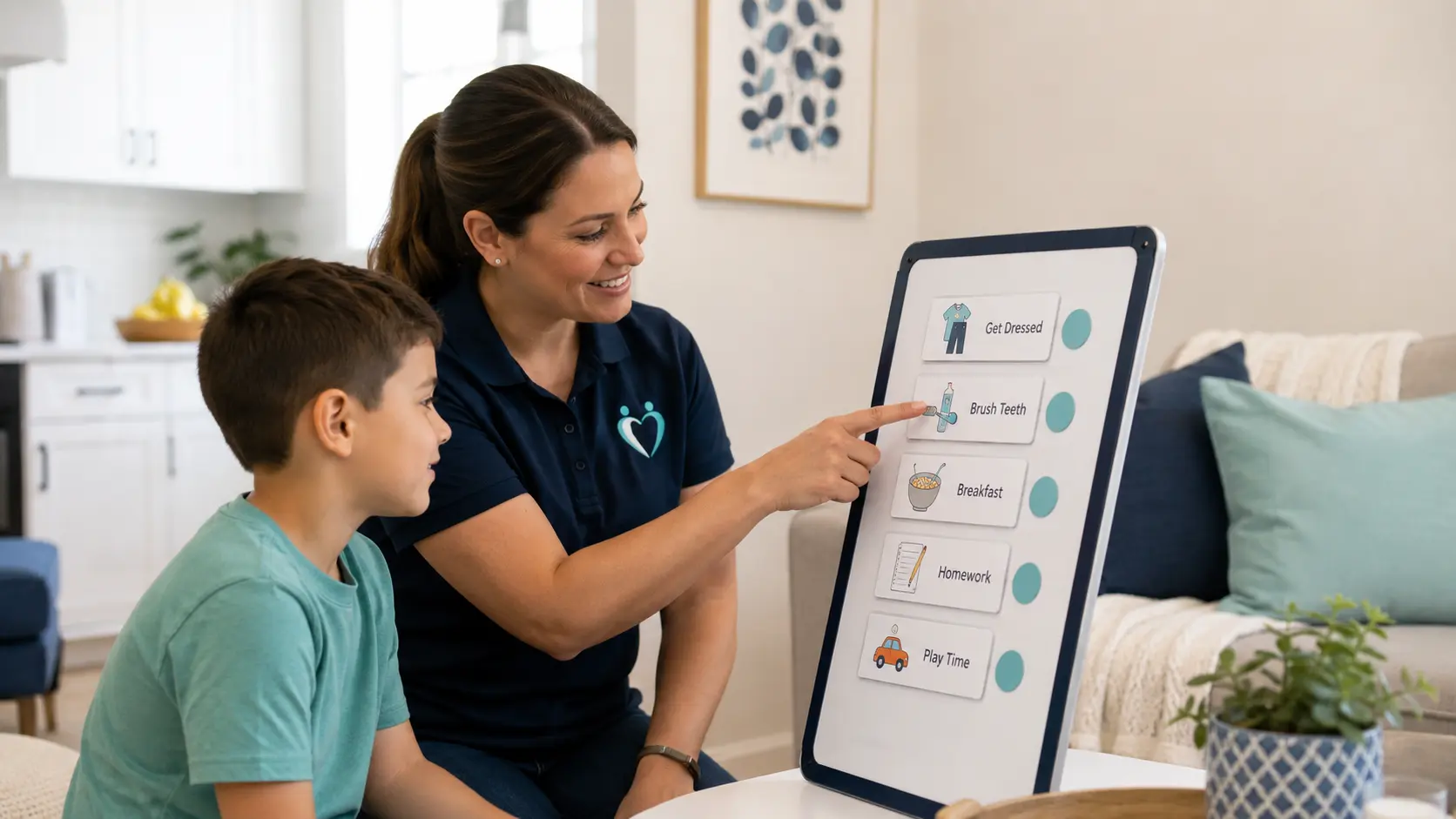
Daily living routines
-
Personal care and hygiene
-
Emotional regulation strategies
-
Social skill development
-
Household participation
-
Structured activities aligned with therapy goals
Because the support happens at home, strategies can be implemented consistently. As a result, progress often feels more natural and sustainable.
Why Home-Based Autism Support Makes a Difference
Every autistic individual experiences the world differently. Therefore, support must adapt to sensory needs, communication preferences and behavioural patterns.
Home-based support offers several advantages:
-
Familiar environment reduces anxiety
-
Routines can be reinforced daily
-
Parents receive practical guidance
-
Skills transfer more easily into real life
From our experience supporting Brisbane families, structured home routines often lead to noticeable improvements in independence and confidence over time.
Who Can Access In-Home Autism Support?
To receive funding, the participant must have an approved NDIS plan that recognises autism as a permanent disability impacting daily functioning.
Typically, funding may cover:
-
Assistance with self-care
-
Community participation
-
Behavioural support implementation
-
Capacity-building activities
If you’re unsure whether your current plan allows for this type of support, understanding how funding categories work can clarify your options.
Many families explore broader supports through NDIS services in Brisbane to ensure their child or loved one receives comprehensive assistance aligned with long-term goals.
What Does a Typical Support Session Look Like?
In-home sessions are always tailored. However, a structured session may include:
-
Reviewing the day’s routine
-
Supporting personal care tasks
-
Practising communication or emotional regulation strategies
-
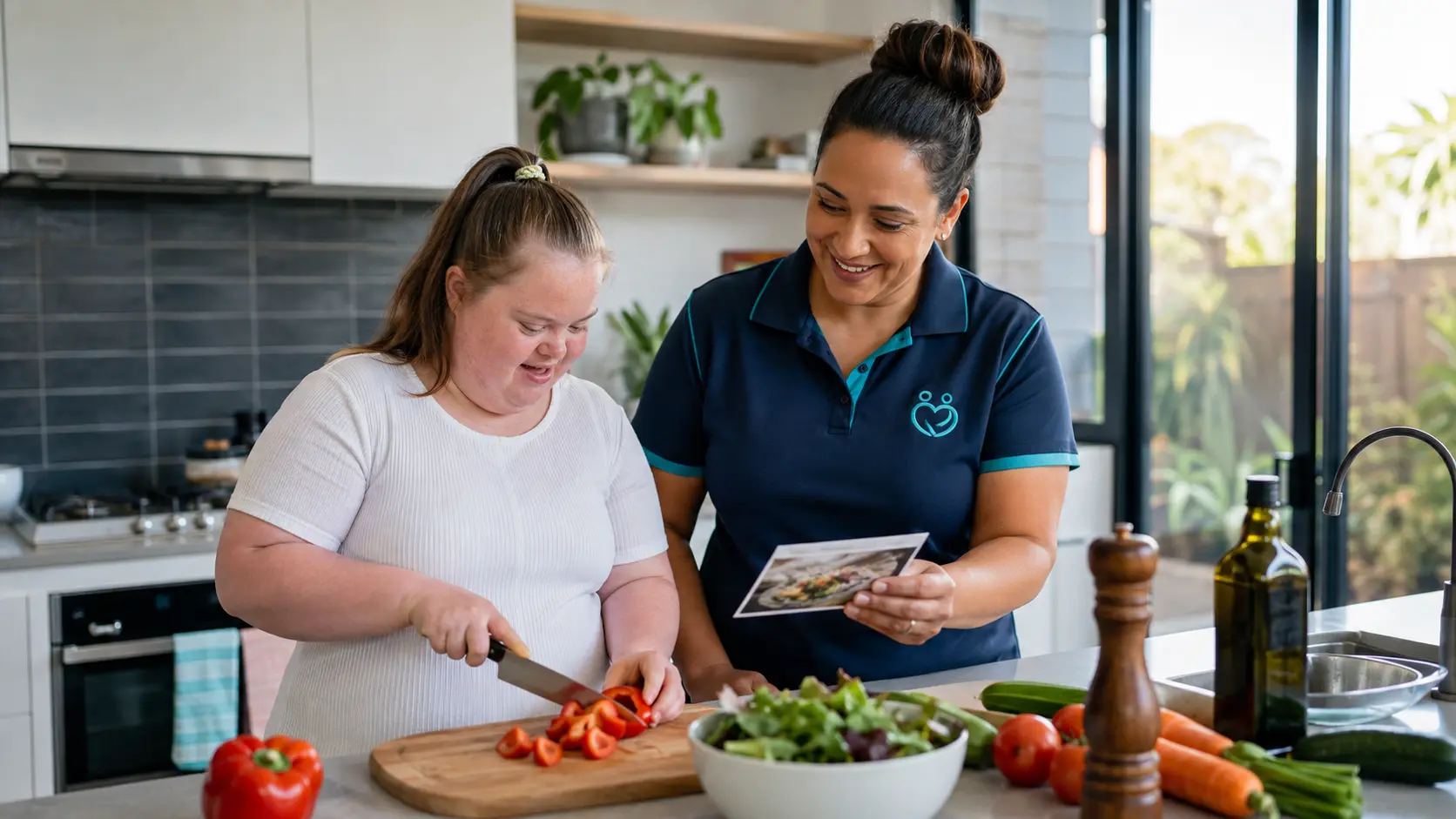
Completing life-skills activities
-
Encouraging independence in household participation
Consistency plays a key role. When the same strategies are reinforced regularly, participants build confidence and predictability increases.
Supporting Both the Participant and the Family
Autism support at home does not only benefit the individual. It also reduces stress for parents and carers.
When families feel supported:
-
Burnout decreases
-
Communication improves
-
Daily routines become smoother
-
Long-term goals feel achievable
This collaborative approach strengthens the entire support network.
Choosing the Right In-Home Autism Provider in Brisbane
When selecting a provider, consider:
-
Experience working with autistic participants
-
Consistency of support workers
-
Communication with families
-
Cultural awareness and inclusivity
-
Flexibility to adapt strategies
Families often choose trusted teams delivering NDIS in-home support in Brisbane because reliable, consistent staff make a significant difference in progress and stability.
Building Independence Step by Step
Autism support is not about “fixing” behaviours. Instead, it focuses on strengthening strengths, developing coping strategies and building independence gradually.
Small wins matter. For example:
-
Completing a self-care task independently
-
Following a new routine
-
Communicating needs more clearly
-
Participating confidently in a community activity
Over time, these achievements create meaningful long-term change.
Ready to Explore In-Home Autism Support?
If your family is considering structured, compassionate in home support for autism in Brisbane, the next step is simple.
You can submit a referral to our team today and discuss how personalised home-based support can align with your NDIS goals.