

What Are Group or Center-Based Activities Under NDIS?
If you’ve seen the term group or center-based activities in your NDIS plan, you might wonder what it really includes. Many participants feel unsure at first. However, once you understand how these supports work, everything becomes much clearer.
At Yirra Care, we regularly support participants across Brisbane who want to build confidence, strengthen social skills and feel more connected. Group-based programs often play a key role in achieving those goals.
Simply put, group or center-based activities are structured programs delivered in shared settings that help participants develop independence, communication and social confidence.
What Do Group or Center-Based Activities Include?
Typically, these activities fall under Core Supports or Capacity Building budgets. For example, they may include:
-
Social skills development groups
-
Art and creative workshops
-
Cooking and life-skills programs
-
Recreational outings
-
Fitness and wellbeing sessions
-
Structured community learning programs
Because these programs run in shared environments, participants learn not only from facilitators but also from each other. As a result, growth often feels more natural and engaging.
Why Group Activities Matter
While one-on-one support builds personalised skills, group settings offer additional benefits. In fact, many participants experience noticeable improvements in confidence after just a few sessions.
For instance, group programs can:
-
Encourage social interaction in a safe environment
-
Reduce isolation
-
Improve communication skills
-
Strengthen routine and structure
-
Build friendships and peer support networks
Over time, participants often feel more comfortable engaging in broader community settings. Consequently, independence increases both socially and emotionally.
Center-Based vs Community-Based Activities
Although people often use these terms interchangeably, they are slightly different.
Center-based activities take place in a dedicated facility. Staff structure these sessions carefully, and participants follow a clear routine.
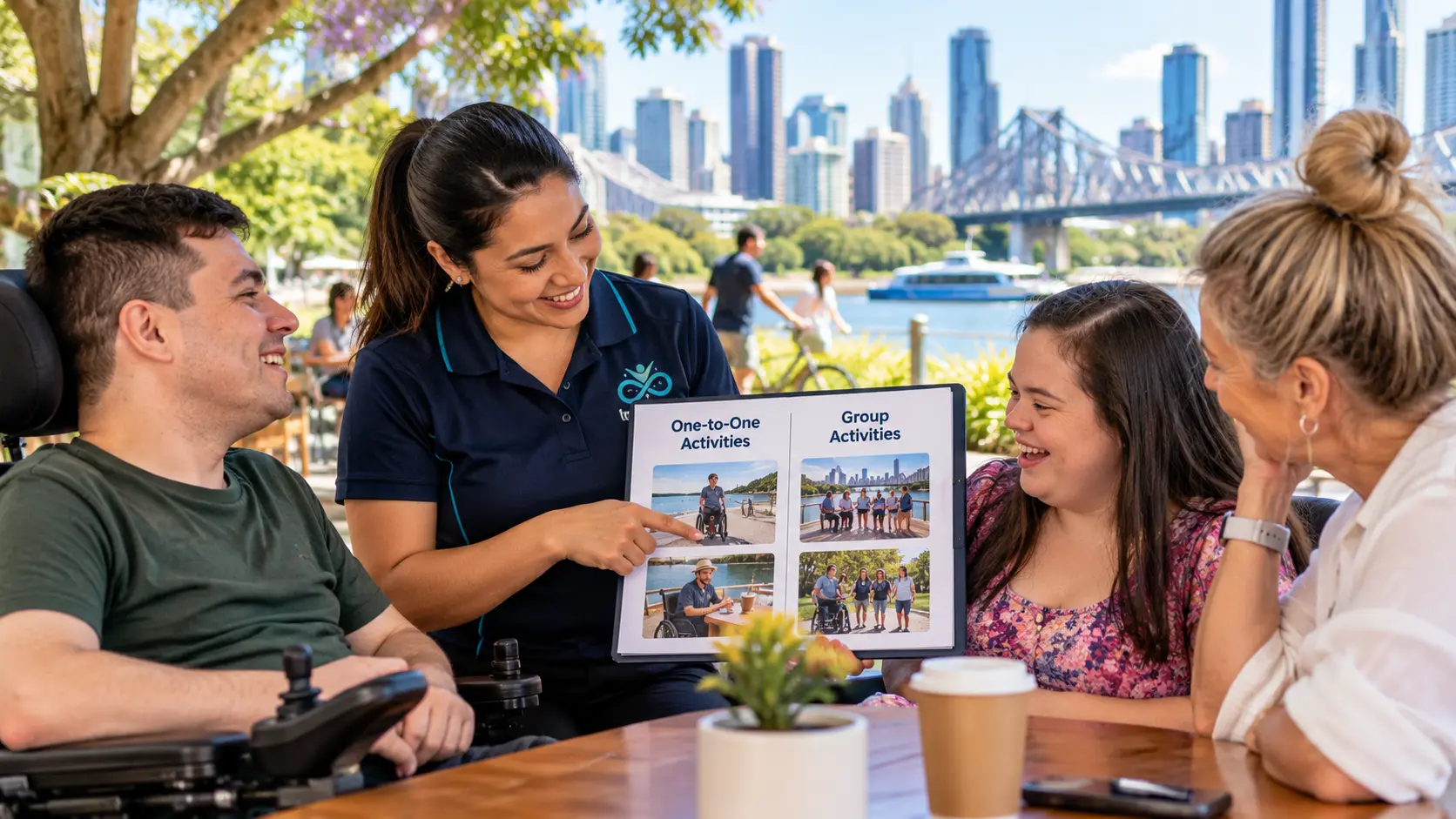
On the other hand, community-based activities occur in real-world environments such as parks, libraries or local events. These programs allow participants to practise skills in everyday settings.
For example, many participants benefit from structured outings through NDIS community access in Brisban, where activities align directly with personal goals.
Are Group Activities Funded by the NDIS?
Yes — provided they align with your goals and meet the “reasonable and necessary” criteria.
Most commonly, funding comes from:
-
Core Supports (Assistance with Social & Community Participation)
-
Capacity Building (Increased Social & Community Participation)
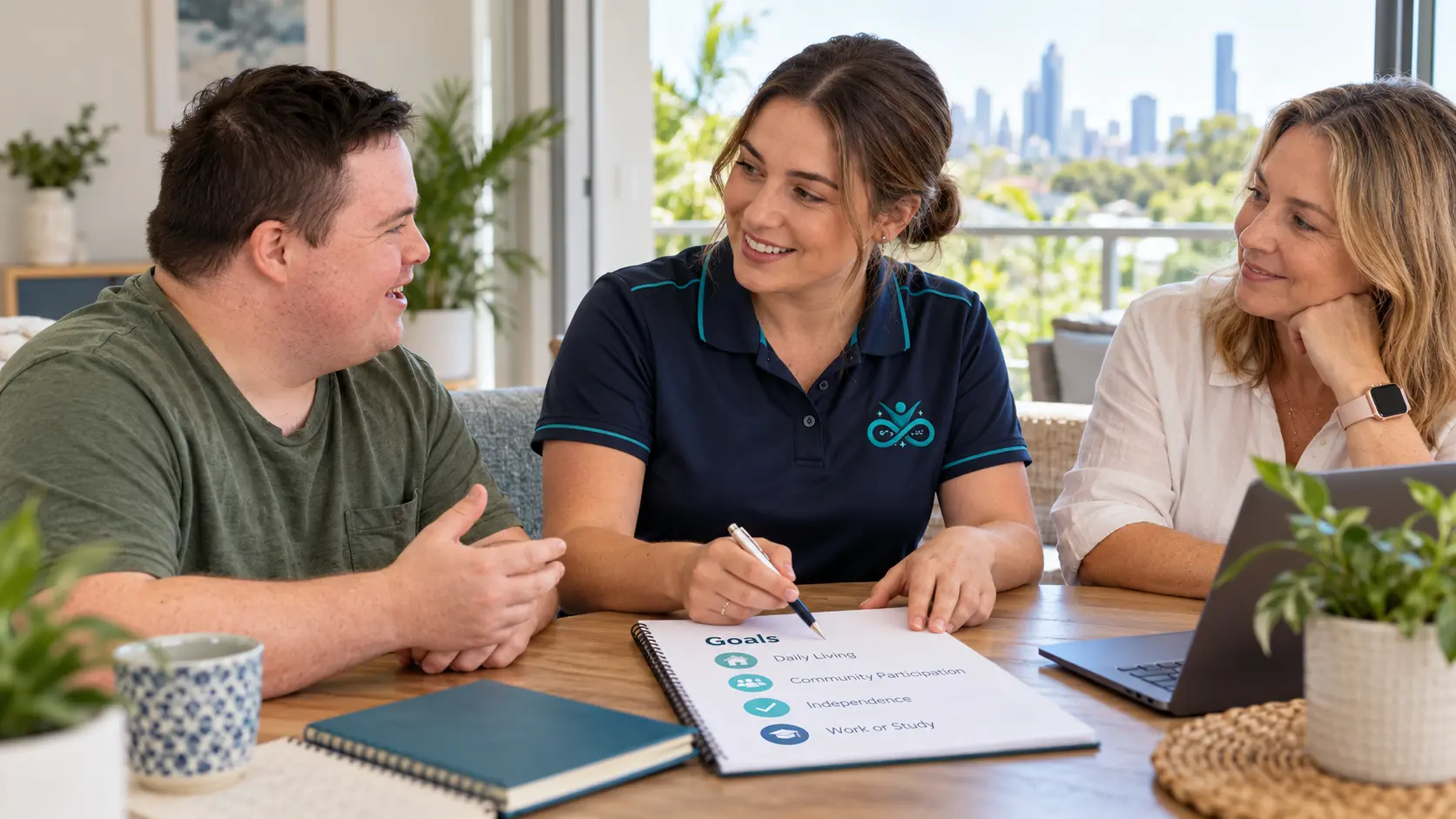
Therefore, if your plan includes goals related to independence or social engagement, group programs may form an important part of your support strategy.
Outdoor and Experiential Group Programs
Importantly, not all group programs take place indoors. In fact, many participants thrive in outdoor settings.
Experiential programs combine movement, wellbeing and shared learning. As a result, participants often feel more relaxed and open to interaction. For those who enjoy active environments, NDIS outdoor activities in Brisbane provide structured yet flexible opportunities to build confidence in natural surroundings.
Because these settings feel less clinical, they often reduce anxiety and encourage authentic connection.
Who Benefits Most from Group Activities?
Group or center-based supports particularly suit participants who:
-
Want to build social confidence
-
Experience isolation
-
Benefit from structured routines
-
Prefer learning alongside peers
-
Aim to increase community participation
However, suitability always depends on individual goals and comfort levels. Therefore, it’s important to choose programs that align with both personality and long-term objectives.
How to Choose the Right Program
Before enrolling in a group activity, consider the following:
-
Group size
-
Staff-to-participant ratio
-
Structure and supervision
-
Cultural safety and inclusivity
-
Alignment with your NDIS goals
Above all, the environment should feel supportive rather than overwhelming. When participants feel safe, progress happens more naturally.
Ready to Explore Group Supports?
Group or center-based activities can significantly improve confidence, independence and community connection. Moreover, they often complement individual supports within your NDIS plan.
If you would like personalised guidance on selecting the right program, you can submit a referral to our team today and explore supports that align with your goals.

1 Comment
autism help adults
February 23, 2026I really enjoyed reading this post about activities for disabled adults. It’s so important to highlight how meaningful, engaging activities can improve confidence, independence, and overall well-being. Too often, people underestimate how creative and fulfilling these experiences can be.